Young people strengthened their digital, civic, social, and participatory competences through an intensive international mobility in Balıkesir
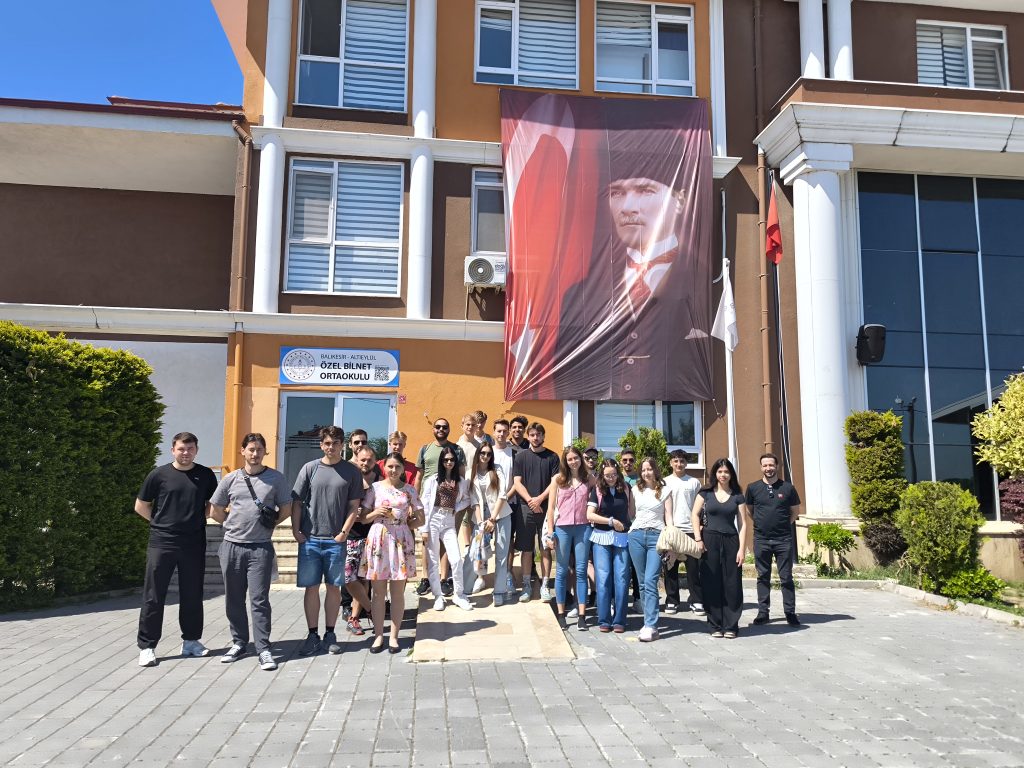
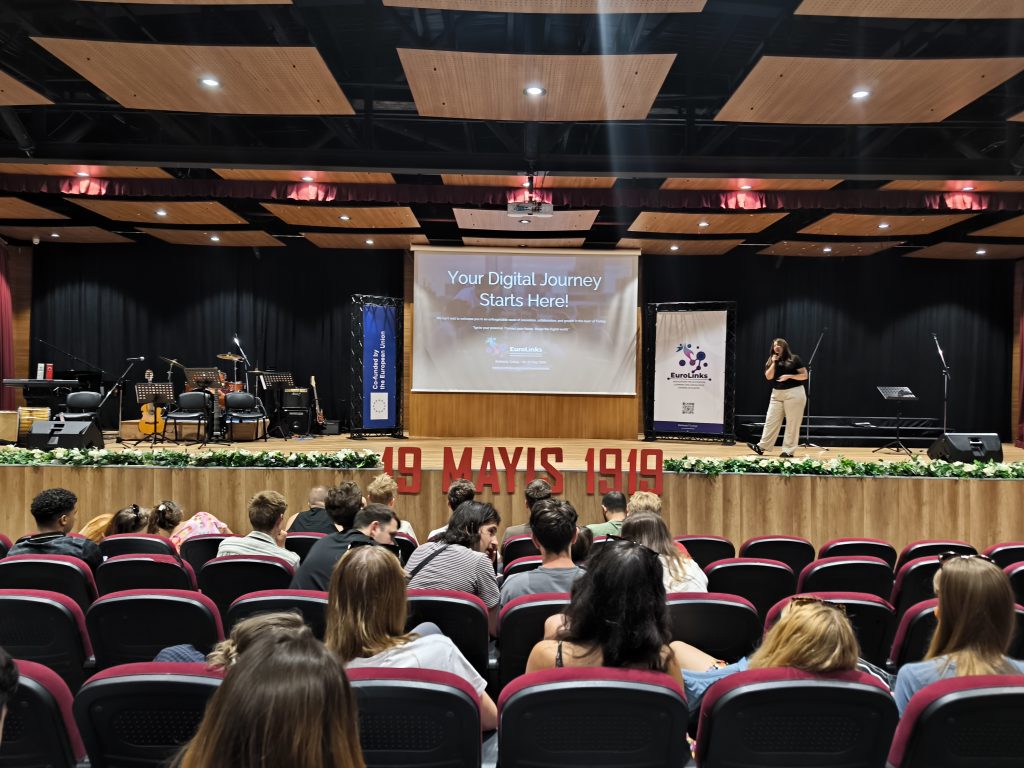
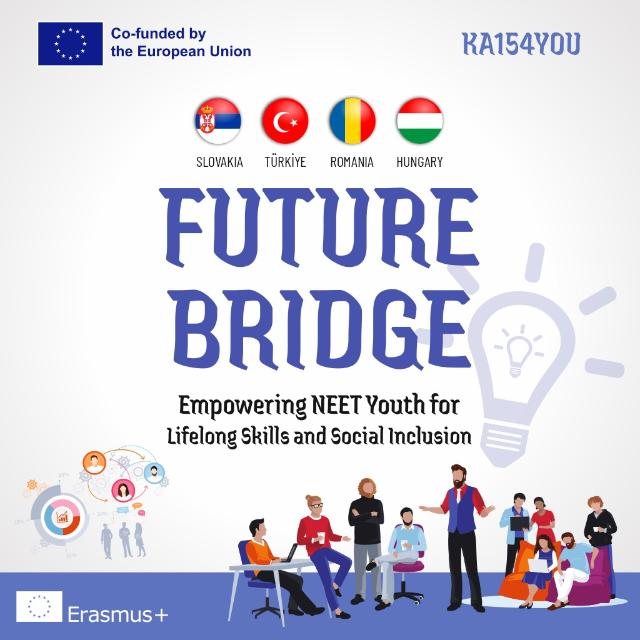
From 18 to 22 May 2026, young participants from several European countries came together in Balıkesir, Türkiye, for the second international mobility of the Erasmus+ project “Future Bridge: Empowering NEET Youth for Lifelong Skills and Social Inclusion.”
The activity, entitled “ConnectMinds: Digital & Community Action Bootcamp,” was implemented within project number 2025-2-SK02-KA154-YOU-000366666.
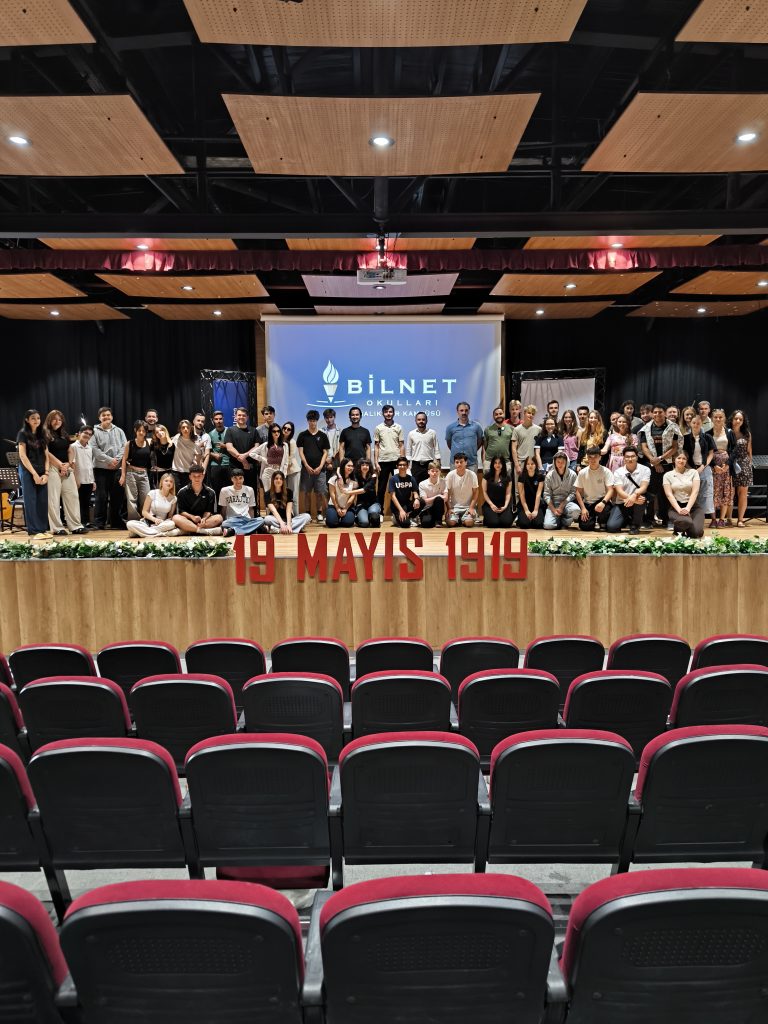
The five-day Youth Participation Activity brought together young people, youth workers, facilitators, and project representatives from Türkiye, Slovakia, Romania, and Hungary.
The mobility was hosted by EuroLinks Association in Türkiye, while Skillhub Inclusivity participated as the Romanian partner together with the other project organisations.
The programme focused on digital literacy, media awareness, digital storytelling, social innovation, youth participation, democratic engagement, intercultural learning, and community action.
Supporting NEET young people through international cooperation
The ConnectMinds Bootcamp was designed especially to support young people who are not currently in employment, education, or training.
NEET young people may face barriers related to limited access to learning opportunities, low confidence, social isolation, lack of work experience, limited digital skills, or insufficient participation in community life.
The mobility responded to these challenges by creating an inclusive and supportive learning environment where participants could:
- develop practical digital competencies;
- improve communication and teamwork;
- express their ideas;
- explore community challenges;
- work in international teams;
- design youth-led initiatives;
- build confidence;
- strengthen their sense of belonging and participation.
The programme recognised that digital skills alone are not enough. Young people also need social, civic, creative, and participatory competences to use technology responsibly and create positive change.
Erasmus+ priorities at the centre of the programme
The mobility directly supported several Erasmus+ priorities.
Digital transformation
Participants explored media literacy, online safety, artificial intelligence, digital storytelling, social media production, digital campaigns, and collaborative online work.
They learned how digital tools can support education, awareness-raising, social inclusion, and community engagement.
Participation in democratic life
Young people examined civic participation, advocacy, digital activism, youth dialogue, and democratic decision-making.
They were encouraged to see themselves as active citizens whose opinions and ideas can contribute to local and European communities.
Social inclusion
The programme created opportunities for young people with different backgrounds, experiences, and confidence levels to participate meaningfully.
Activities were designed to encourage cooperation, peer support, and equal contribution.
Active citizenship and youth participation
Participants analysed real community challenges and developed their own ideas, campaigns, and project proposals.
They were not only recipients of information. They became creators, decision-makers, and contributors.
Intercultural dialogue
The international environment encouraged young people to learn about different cultures, youth realities, and social challenges.
Participants developed greater openness, empathy, and respect for diversity.
Day One: Welcome, orientation, and digital community building
The first day focused on arrivals, registration, accommodation, orientation, and group formation.
Participants received information about the activity schedule, safety procedures, mobility guidelines, and practical arrangements.
They were also introduced to the ConnectMinds platform, which supported communication and digital collaboration during the mobility.
The opening seminar presented:
- the Future Bridge project;
- the aims of the ConnectMinds Bootcamp;
- Erasmus+ Youth Participation Activities;
- expected learning outcomes;
- digital inclusion;
- intercultural cooperation;
- youth participation principles.
Icebreakers and team-building exercises helped participants get to know one another and begin creating a safe and supportive learning environment.
An expectations and fears activity allowed the young people to express what they hoped to learn and what concerns they had before beginning the programme.
Intercultural networking and youth realities
The first evening was dedicated to intercultural exchange.
Participants presented their countries, traditions, music, social realities, and experiences of being young in their communities.
The session went beyond cultural symbols and encouraged young people to discuss real issues affecting their generation.
These included:
- employment challenges;
- access to education;
- migration;
- digital inequalities;
- participation opportunities;
- discrimination;
- youth motivation;
- social inclusion.
Through youth-led presentations and networking games, participants discovered both differences and common concerns.
The activity helped build trust and prepared the group for deeper collaboration during the following days.
Day Two: Media literacy and digital awareness
The second day began with a workshop on media literacy and digital awareness.
Participants examined how digital media influences opinions, behaviour, identity, and democratic participation.
The sessions explored:
- fake news;
- misinformation;
- social media algorithms;
- online manipulation;
- AI-generated content;
- digital citizenship;
- online safety;
- critical consumption of information.
Participants worked with case studies and analysed examples of misleading or manipulative content.
They discussed how emotional language, selective information, edited images, false sources, or algorithmic recommendations can influence users.
The workshop helped young people understand that digital participation requires critical thinking and responsibility.
Understanding artificial intelligence and online content
AI-supported content was an important part of the media literacy discussions.
Participants explored how artificial intelligence can be used to create images, texts, audio, videos, and social media content.
They reflected on both the benefits and risks of these tools.
The programme encouraged young people to ask:
- Is this content authentic?
- Who created it?
- What is its purpose?
- Can the source be trusted?
- Could it manipulate an audience?
- Does it respect privacy and consent?
- Could it reinforce stereotypes or exclusion?
These discussions supported more informed and ethical digital behaviour.
Digital storytelling production lab
During the afternoon, participants moved from analysis to creation.
They took part in a digital storytelling production lab where they developed content based on personal experiences, youth challenges, and social issues.
Activities included:
- story development;
- script writing;
- video production;
- podcast recording;
- reels and social media content;
- digital campaign design;
- AI-supported visual creation.
Participants worked in mixed international teams and learned how to transform a personal or community issue into a clear and engaging story.
The process required them to identify a message, define an audience, select the right digital format, and cooperate during production.
Open Mic and story sharing
The evening session created space for personal reflection and voluntary sharing.
Participants were invited to speak about experiences connected to inclusion, personal growth, challenges, motivation, and youth life.
The Open Mic format allowed young people to contribute in a way that felt comfortable and respectful.
Reflection circles and peer support helped strengthen empathy within the group.
The session also demonstrated the power of storytelling in helping people feel heard, understood, and connected.
Day Three: Community analysis and design thinking
The third day focused on identifying challenges affecting young people and developing practical responses.
Participants used design-thinking methods to explore community problems.
They worked through several stages:
- problem identification;
- problem-tree analysis;
- community mapping;
- stakeholder analysis;
- needs assessment;
- solution brainstorming;
- youth participation mapping.
The activities encouraged participants to move beyond general complaints and understand the causes, effects, and stakeholders connected to a problem.
They also learned to examine challenges from the perspective of the people most directly affected.
Identifying real community challenges
The international teams discussed issues such as:
- social isolation among young people;
- unemployment;
- lack of career guidance;
- limited digital access;
- misinformation;
- weak youth participation;
- barriers faced by young people with disabilities;
- discrimination;
- rural exclusion;
- lack of safe youth spaces;
- low trust in institutions.
Participants selected challenges they considered relevant and began developing possible youth-led solutions.
The process helped them understand that effective community action starts with listening, analysis, and cooperation.
ConnectMinds International Mini Hackathon
The afternoon featured the ConnectMinds International Mini Hackathon.
Working in international teams, participants developed innovative ideas addressing social inclusion, digital challenges, and youth participation.
The hackathon included:
- team project development;
- digital campaign creation;
- prototype design;
- pitch preparation;
- mentoring;
- peer feedback;
- jury presentations.
The teams had to develop their ideas within a limited period, encouraging rapid cooperation, creativity, and decision-making.
The purpose was not to create technically perfect products.
Instead, the hackathon allowed participants to test how quickly they could transform a social problem into a clear and realistic concept.
Developing prototypes and campaign concepts
Teams created early versions of:
- digital awareness campaigns;
- online youth platforms;
- peer-support initiatives;
- community events;
- information tools;
- inclusion campaigns;
- youth dialogue formats;
- digital storytelling projects.
Mentors encouraged participants to clarify:
- the problem they wanted to address;
- the young people affected;
- the proposed solution;
- the expected impact;
- the digital tools required;
- the role of young people;
- possible partners;
- the first practical steps.
The presentations gave participants valuable experience in public speaking and project pitching.
Cultural and social interaction
The third evening focused on informal intercultural interaction.
Music, dance, games, and networking activities helped participants relax and strengthen social bonds.
These moments were important because successful international cooperation depends not only on formal learning, but also on trust, openness, friendship, and mutual respect.
The participants continued exchanging ideas outside the workshop setting and developed relationships that supported teamwork during the mobility.
Day Four: Youth participation and digital democracy
The fourth day focused on active citizenship, democratic participation, digital activism, and youth advocacy.
Participants explored how young people can influence decisions and contribute to community life.
Topics included:
- local and European participation;
- digital democracy;
- online campaigns;
- civic engagement;
- youth dialogue;
- advocacy;
- responsible activism;
- policy reflection.
Through role-play and simulations, participants experienced different forms of democratic participation.
They discussed how youth voices can be heard through consultations, campaigns, community projects, youth councils, volunteering, digital platforms, and dialogue with decision-makers.
Digital activism and responsible participation
The participants examined how social media and digital platforms can support civic action.
They considered the benefits of online activism, including its ability to reach large audiences, mobilise people, and give visibility to urgent issues.
They also discussed possible risks, such as:
- misinformation;
- online harassment;
- performative activism;
- polarisation;
- exclusion;
- privacy concerns;
- manipulation;
- lack of long-term action.
The workshop encouraged young people to connect digital messages with responsible and realistic community action.
Finalising the digital campaigns
During the afternoon, participants returned to the digital campaigns and ideas developed earlier in the programme.
They improved their materials through:
- editing;
- peer review;
- video refinement;
- awareness-material preparation;
- message testing;
- social media production;
- AI-supported design;
- dissemination planning.
Teams examined whether their messages were clear, inclusive, ethical, and suitable for their intended audiences.
They also discussed how the campaigns could continue after the mobility and reach young people in their home communities.
Reflection and Youthpass
The evening included reflection circles and a Youthpass session.
Participants identified the competencies they had developed during the mobility.
These included:
- digital competence;
- media literacy;
- critical thinking;
- communication;
- teamwork;
- creativity;
- leadership;
- civic awareness;
- intercultural competence;
- problem-solving;
- project development;
- self-confidence.
Through self-assessment and peer feedback, participants reflected on their progress and recognised that learning had taken place in both formal sessions and informal interactions.
Day Five: Final showcase and presentations
The final day began with a showcase of the work developed during the mobility.
Participants presented:
- digital stories;
- campaign materials;
- videos;
- podcasts;
- hackathon ideas;
- community projects;
- youth-participation proposals.
The presentations demonstrated how much the teams had achieved within five days.
They showed improved confidence, stronger digital skills, creative thinking, and the ability to connect technology with social challenges.
The showcase also allowed participants to learn from one another and recognise different approaches to community action.
Evaluation and certificate ceremony
The programme concluded with final evaluation activities.
Participants completed surveys, contributed to a reflection wall, shared feedback, and discussed what they would take home from the experience.
The evaluation focused on:
- learning outcomes;
- quality of the activities;
- group cooperation;
- personal development;
- organisation and logistics;
- future recommendations;
- possibilities for follow-up action.
The mobility ended with closing speeches, certificates, group photographs, and a farewell session.
The certificate ceremony recognised the commitment, participation, and learning achievements of the young people involved.
The contribution of Skillhub Inclusivity
As the Romanian partner, Skillhub Inclusivity contributed to participant preparation, international cooperation, inclusion, dissemination, and follow-up activities.
Our organisation supported the involvement of Romanian young people and encouraged them to participate actively in the programme.
Skillhub Inclusivity’s work is strongly connected to:
- social inclusion;
- equal opportunities;
- youth participation;
- disability awareness;
- digital skills;
- community engagement;
- support for young people with fewer opportunities.
The themes of the ConnectMinds Bootcamp were therefore highly relevant to our mission and daily work.
Our participants brought Romanian perspectives into international discussions and gained new methods and ideas that can be adapted in future local activities.
Benefits for Romanian participants
The Romanian participants developed practical competencies in:
- media literacy;
- digital storytelling;
- campaign production;
- responsible use of AI;
- community analysis;
- design thinking;
- civic participation;
- digital activism;
- teamwork;
- intercultural communication.
They also strengthened their self-confidence and ability to express their ideas in an international environment.
The mobility allowed them to connect with peers from other countries and understand that many youth challenges are shared across Europe.
At the same time, they discovered different approaches to participation, inclusion, and community action.
Non-formal education as the main learning approach
The Bootcamp relied on non-formal and informal learning methods throughout all five days.
These included:
- case studies;
- debates;
- simulations;
- reflection circles;
- group work;
- storytelling;
- peer learning;
- design thinking;
- hackathon activities;
- creative production;
- mentoring;
- public presentations;
- intercultural exchange.
These methods allowed participants to learn by doing.
They were encouraged to question, create, cooperate, test ideas, make decisions, and reflect on their progress.
The programme showed that young people learn most effectively when they are active contributors to the educational process.
From international mobility to local community action
The learning achieved in Balıkesir will continue after participants return home.
Romanian participants will be encouraged to share their experiences with:
- other young people;
- volunteers;
- youth workers;
- educators;
- NGOs;
- schools;
- community organisations.
Possible follow-up actions may include:
- media literacy workshops;
- digital storytelling sessions;
- awareness campaigns;
- presentations;
- youth consultations;
- peer-learning activities;
- online dissemination;
- local community projects.
These actions will multiply the impact of the mobility and help other young people benefit from its methods and messages.
A stronger bridge toward participation and inclusion
The ConnectMinds Digital & Community Action Bootcamp demonstrated how digital learning, youth participation, and social inclusion can be brought together in one practical programme.
Participants did not use technology only as a technical tool.
They used it to tell stories, analyse information, design campaigns, communicate social challenges, propose solutions, and strengthen youth voices.
The mobility also demonstrated that NEET young people have creativity, experience, and valuable ideas.
When provided with support, trust, and meaningful opportunities, they can become active contributors to their communities.
Skillhub Inclusivity is proud to be a partner in the Future Bridge project and to support young people in developing lifelong skills, digital confidence, civic awareness, and a stronger sense of social belonging.
We thank the host organisation, project partners, facilitators, mentors, and all participants for contributing to a meaningful and inspiring international learning experience in Balıkesir.
Project: Future Bridge – Empowering NEET Youth for Lifelong Skills and Social Inclusion
Project number: 2025-2-SK02-KA154-YOU-000366666
Activity: Mobility 2 – ConnectMinds: Digital & Community Action Bootcamp
Activity type: Youth Participation Activity with Mobilities
Dates: 18–22 May 2026
Location: Balıkesir, Türkiye
Host organisation: EuroLinks Association
Romanian partner: Skillhub Inclusivity
Other partner countries: Slovakia and Hungary
Working language: English
Funded by the European Union. The views and opinions expressed are, however, those of the authors only and do not necessarily reflect those of the European Union or the granting authority. Neither the European Union nor the granting authority can be held responsible for them.