SKILLHUB INCLUSIVITY brought together young people from four European countries to promote human rights, equality, inclusion, and active citizenship
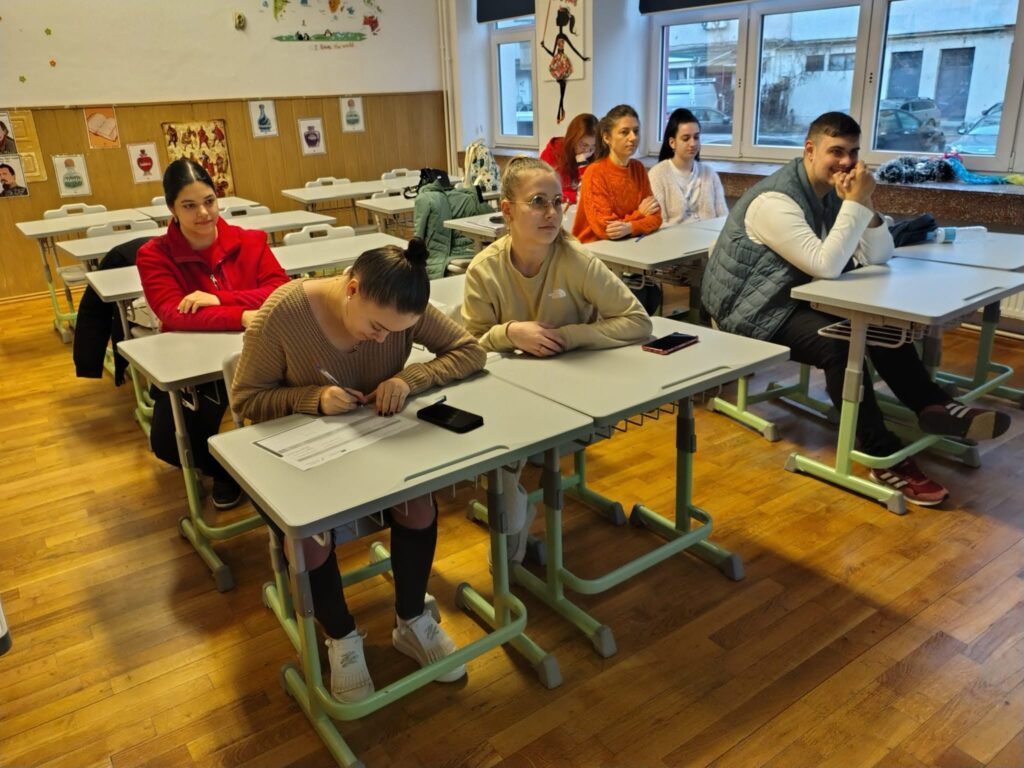
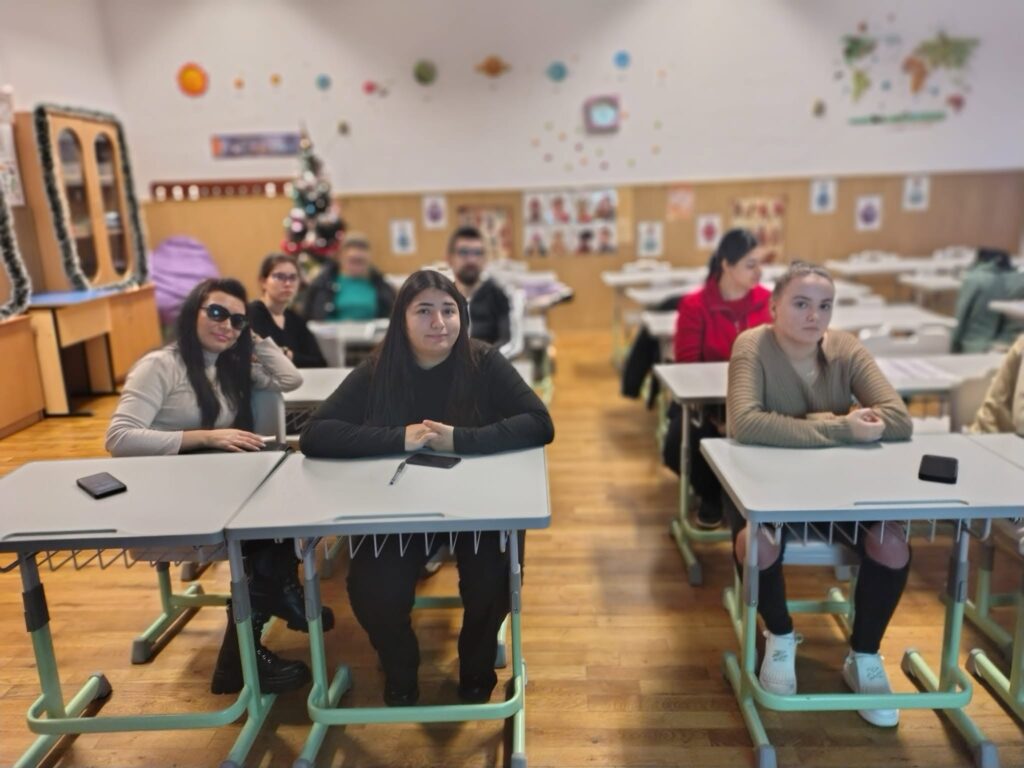
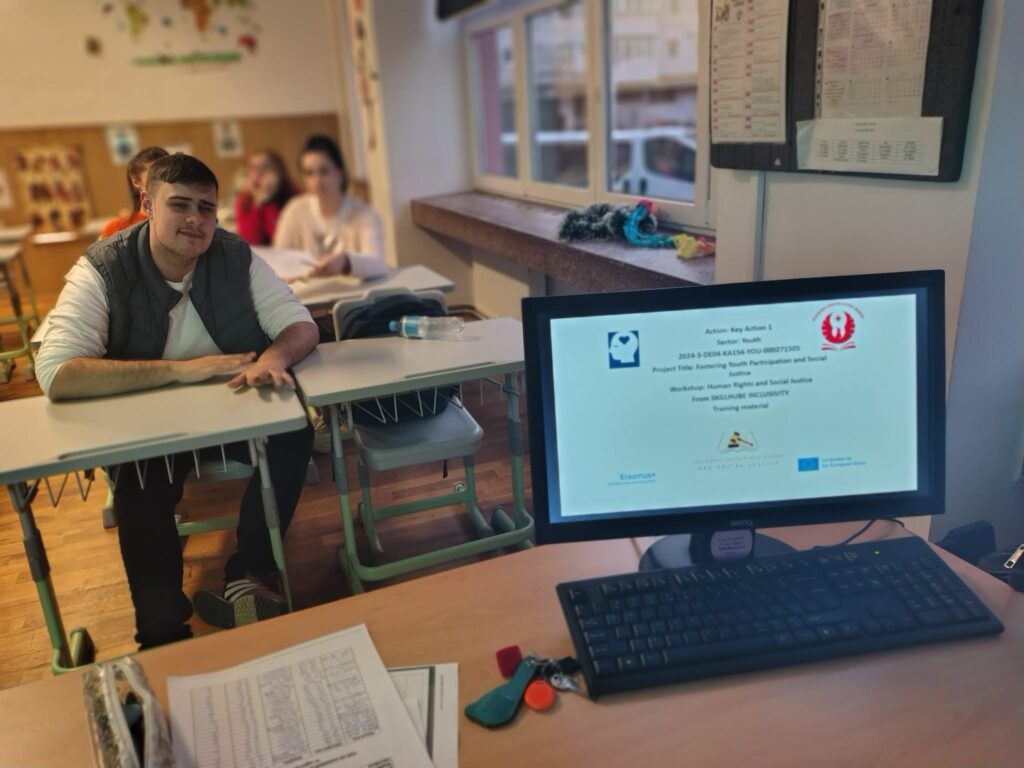
From 5 to 13 February 2026, SKILLHUB INCLUSIVITY organised the international Erasmus+ workshop “Human Rights and Social Justice” in Iași, Romania.
The activity was implemented within the Erasmus+ project “Fostering Youth Participation and Social Justice”, project number 2024-3-DE04-KA154-YOU-000271505.
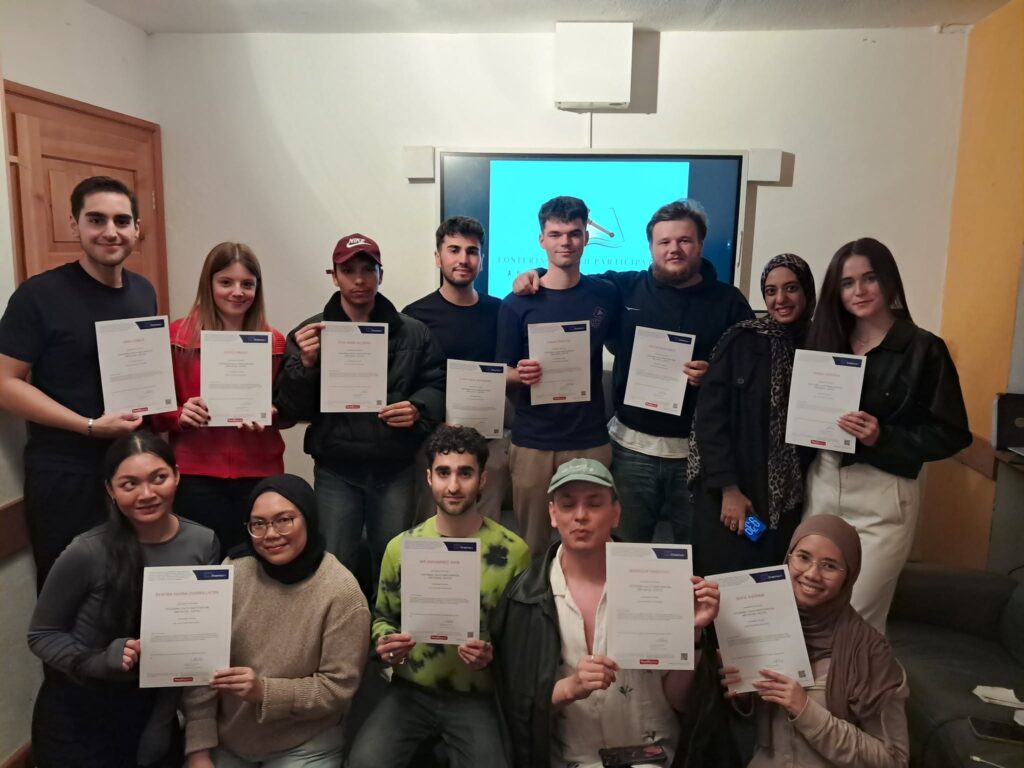
Young participants from Romania, Germany, Türkiye, and Hungary came together in Iași for an intensive international learning experience focused on human rights, equality, social justice, democratic participation, inclusion, and youth empowerment.
As the Romanian partner in the project, SKILLHUB INCLUSIVITY was proud to host this important activity and create an inclusive environment in which young people could learn, cooperate, exchange experiences, and develop practical ideas for promoting fairness and positive social change in their communities.
An international workshop dedicated to human rights
The Human Rights and Social Justice Workshop was designed to increase young people’s awareness of fundamental rights and help them understand how these rights influence their everyday lives.
During the programme, participants explored the meaning and importance of human dignity, freedom, democracy, equality, solidarity, inclusion, non-discrimination, and respect for diversity.
The young people discussed different human rights challenges affecting European societies, including discrimination, social exclusion, unequal access to education and employment, barriers faced by people with disabilities, hate speech, stereotypes, poverty, and the limited participation of disadvantaged groups in community and democratic life.
The workshop helped participants understand that human rights are not only legal principles contained in international documents. They are values and standards that should guide relationships, institutions, communities, and public decisions.
Participants were encouraged to reflect on their own responsibilities and consider how they could contribute to protecting the rights of others.
Non-formal education and active participation
The workshop was based on non-formal education methods, placing young people at the centre of the learning process.
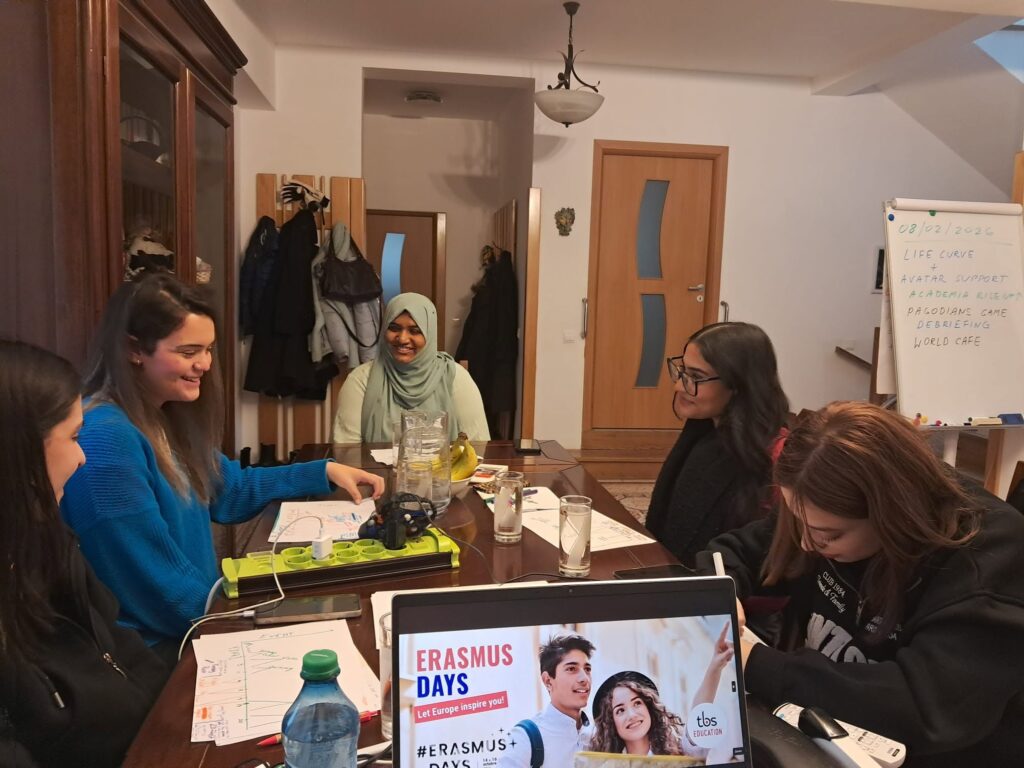
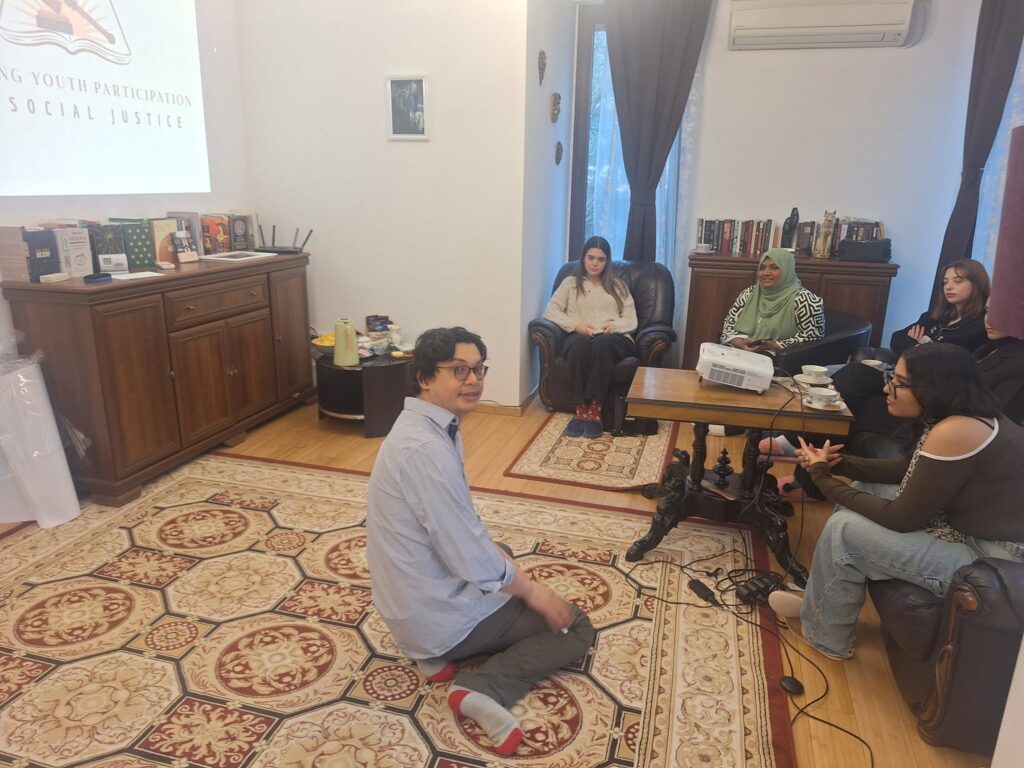
Instead of relying only on theoretical presentations, the programme included interactive exercises, debates, simulations, role-playing activities, teamwork, case studies, creative workshops, reflection sessions, presentations, and intercultural learning activities.
These methods allowed participants to learn through experience, cooperation, dialogue, and personal reflection.
Throughout the workshop, young people were invited to express their opinions, ask questions, analyse real-life situations, listen to different perspectives, and work together to identify possible solutions to social challenges.
The participatory approach helped create a safe learning space where every participant could contribute, regardless of their previous knowledge or experience.
Understanding social justice
An important part of the programme was dedicated to the concept of social justice.
Participants explored how social justice is connected to equality, fairness, access to opportunities, participation, dignity, and the distribution of resources within society.
They discussed the difference between treating everyone in exactly the same way and providing appropriate support according to individual needs and circumstances.
The activities helped participants recognise that some young people face additional barriers because of disability, economic hardship, geographical isolation, migration background, ethnicity, gender, educational difficulties, or limited access to information and services.
Participants reflected on how communities, organisations, schools, public institutions, and decision-makers can reduce these barriers and create more inclusive opportunities.
The workshop encouraged young people to see social justice as an active process that requires cooperation, responsibility, empathy, and continuous civic engagement.
Combating discrimination, stereotypes, and hate speech
Several activities focused on discrimination, prejudice, stereotypes, and hate speech.
Participants examined how stereotypes are created and how they can influence attitudes, behaviour, and decisions. Through practical exercises and discussions, they explored both visible and less visible forms of discrimination.
The young people also discussed the effects of hate speech in physical and digital environments. They considered how harmful online content can affect individuals and communities and how young people can respond safely and responsibly.
Participants developed messages and ideas for awareness-raising actions that encourage respect, dialogue, inclusion, and solidarity.
The activities strengthened their ability to recognise discriminatory behaviour and gave them practical tools for challenging prejudice in their schools, organisations, online spaces, and local communities.
Inclusion of young people with fewer opportunities
Inclusion represented a central priority throughout the workshop.
SKILLHUB INCLUSIVITY works to promote equal access to learning, participation, social involvement, and professional development, particularly for young people with disabilities, special needs, and fewer opportunities.
The programme therefore paid special attention to accessibility, participation, respect for individual differences, and the creation of a supportive environment.
Participants discussed the barriers faced by young people with physical, sensory, intellectual, psychological, social, or economic difficulties.
They also reflected on how activities and services can be made more accessible and inclusive. This included considering communication methods, physical accessibility, educational materials, group dynamics, support measures, and respectful language.
The workshop promoted the message that inclusion is not simply the presence of diverse people in the same space. Genuine inclusion means ensuring that everyone can participate meaningfully, express their views, make decisions, and feel respected.
Young people as defenders of human rights
One of the main objectives of the workshop was to encourage participants to become active promoters and defenders of human rights.
Young people learned that they do not need to hold formal positions to contribute to social change. They can take action through volunteering, peer education, awareness campaigns, community initiatives, dialogue with decision-makers, responsible use of social media, and support for people experiencing exclusion or discrimination.
Participants worked in international teams to identify human rights issues affecting young people in their countries.
They discussed possible responses and developed ideas for small-scale actions that could be implemented after the mobility. These ideas included educational workshops, digital campaigns, inclusive community events, information materials, youth consultations, storytelling initiatives, and activities promoting dialogue between young people and local institutions.
Through these exercises, participants strengthened their initiative, creativity, leadership, teamwork, critical thinking, and communication skills.
European values in practice
The international character of the workshop provided an opportunity to experience European cooperation and shared values in practice.
Participants from Romania, Germany, Türkiye, and Hungary brought different cultural perspectives, social experiences, and local realities to the programme.
Through group activities, informal conversations, cultural presentations, and collaborative tasks, the young people learned more about one another’s countries and communities.
They discovered similarities in the challenges faced by young people while also recognising the importance of respecting cultural and personal differences.
The mobility promoted values such as human dignity, democracy, equality, freedom, solidarity, tolerance, inclusion, and respect for human rights.
These values were not addressed only through presentations. They were reflected in how participants communicated, cooperated, made decisions, resolved differences, and supported one another during the programme.
Intercultural dialogue and mutual understanding
Intercultural learning was an essential part of the workshop.
Participants had the opportunity to present elements of their cultures, traditions, social realities, and youth work experiences.
The activities encouraged curiosity, openness, and respectful dialogue. They helped participants challenge stereotypes and better understand how cultural background can influence communication and perspectives.
The intercultural dimension also contributed to building friendships and professional connections among young people from the four participating countries.
By the end of the activity, participants had developed stronger confidence in communicating in an international environment and a deeper appreciation of diversity as a source of learning and cooperation.
Developing practical community initiatives
The workshop encouraged young people to transform the knowledge they acquired into practical action.
In international groups, participants developed ideas for community initiatives connected to human rights and social justice.
They learned how to identify a problem, understand the needs of a target group, establish realistic objectives, plan activities, involve relevant stakeholders, communicate a message, and evaluate possible results.
The participants were encouraged to design initiatives that could be realistic, inclusive, and adapted to their communities.
This process helped them understand that meaningful social change often begins with small but well-planned actions.
A youth-led workshop, an awareness campaign, an inclusive cultural event, a meeting with local decision-makers, or an online information activity can become an important first step toward improving a community.
Benefits for the participants
Participation in the workshop contributed to the personal, social, educational, and civic development of the young people involved.
During the programme, participants:
- increased their understanding of human rights and social justice;
- developed greater awareness of discrimination and social exclusion;
- strengthened their communication and teamwork skills;
- improved their ability to cooperate in multicultural groups;
- developed critical-thinking and problem-solving competencies;
- gained confidence in expressing their opinions;
- learned how to design youth-led community initiatives;
- increased their motivation to participate in civic and democratic life;
- built international friendships and professional networks;
- strengthened their sense of European belonging and solidarity.
The workshop also offered participants an opportunity to step outside their usual environments, encounter new perspectives, and reflect on their roles as citizens and community members.
The role of SKILLHUB INCLUSIVITY
As the host organisation, SKILLHUB INCLUSIVITY was responsible for organising and implementing the workshop in Iași.
Our team coordinated the learning programme, logistics, participant support, communication, local arrangements, inclusion measures, and cooperation with the international partners.
Special attention was given to creating an accessible, respectful, and participant-centred environment.
The experience and mission of SKILLHUB INCLUSIVITY in the fields of disability inclusion, equal opportunities, youth participation, non-formal education, human rights, and social integration contributed significantly to the quality and relevance of the workshop.
Hosting the activity also provided our organisation with an opportunity to strengthen its cooperation with international partners and expand its capacity to organise inclusive European youth activities.
Cooperation with our European partners
The successful implementation of the workshop was made possible through close cooperation among all project partners:
- Phoenix Knowledge Wings gGmbH, Germany, the project coordinator;
- Creative Youth Academy Hungary, Hungary;
- ERFEY BILISIM VE DANISMANLIK, Türkiye;
- SKILLHUB INCLUSIVITY, Romania.
Each organisation contributed to participant preparation, communication, support, educational content, intercultural learning, dissemination, and follow-up activities.
The partnership brought together complementary experience in youth participation, human rights education, digital learning, social inclusion, leadership, project development, and work with young people with fewer opportunities.
This international cooperation strengthened the European dimension of the project and ensured that participants benefited from a diverse range of knowledge and perspectives.
Sharing the results in Romania
Following the workshop, SKILLHUB INCLUSIVITY and the Romanian participants will share the knowledge, methods, and results with other young people, youth workers, educators, volunteers, NGOs, institutions, and local community members.
The participants will be encouraged to organise follow-up activities, present their experiences, share educational materials, and promote the project messages through online and offline channels.
Dissemination activities will help extend the impact of the workshop beyond the participants who travelled to Iași.
By sharing their experiences, young people can inspire their peers to become more interested in human rights, inclusion, civic participation, and social justice.
The methods and ideas developed during the activity can also support future educational programmes organised by SKILLHUB INCLUSIVITY and the project partners.
Building more inclusive and just communities
The Human Rights and Social Justice Workshop demonstrated the importance of creating spaces where young people can learn about their rights, discuss social challenges, and develop ideas for action.
Young people should not only be informed about decisions that affect them. They should have meaningful opportunities to participate in shaping those decisions.
By bringing together participants from four countries, the workshop promoted cooperation, solidarity, mutual understanding, and shared responsibility.
SKILLHUB INCLUSIVITY believes that education about human rights must be connected to practical action.
When young people understand their rights, recognise injustice, and have the confidence to speak and act, they can become powerful contributors to more inclusive, democratic, and fair communities.
We are proud to have hosted this Erasmus+ activity in Iași and grateful to all the participants, facilitators, youth workers, volunteers, and partner organisations who contributed to its success.
The energy, ideas, and commitment demonstrated during the workshop confirm that young people are not only the leaders of tomorrow. They are active citizens and agents of change today.
Project title: Fostering Youth Participation and Social Justice
Workshop: Human Rights and Social Justice
Project number: 2024-3-DE04-KA154-YOU-000271505
Activity period: 5–13 February 2026
Location: Iași, Romania
Host organisation: SKILLHUB INCLUSIVITY
Project coordinator: Phoenix Knowledge Wings gGmbH
Participating countries: Romania, Germany, Türkiye, and Hungary
Funded by the European Union. The views and opinions expressed are, however, those of the authors only and do not necessarily reflect those of the European Union or the granting authority. Neither the European Union nor the granting authority can be held responsible for them.