Young participants explored their voices, ideas, and potential for positive social change
From 25 to 31 January 2026, young people came together in Budapest, Hungary, for an Erasmus+ Youth Participation Activity implemented within project number 2025-2-SK02-KA154-YOU-000366666.
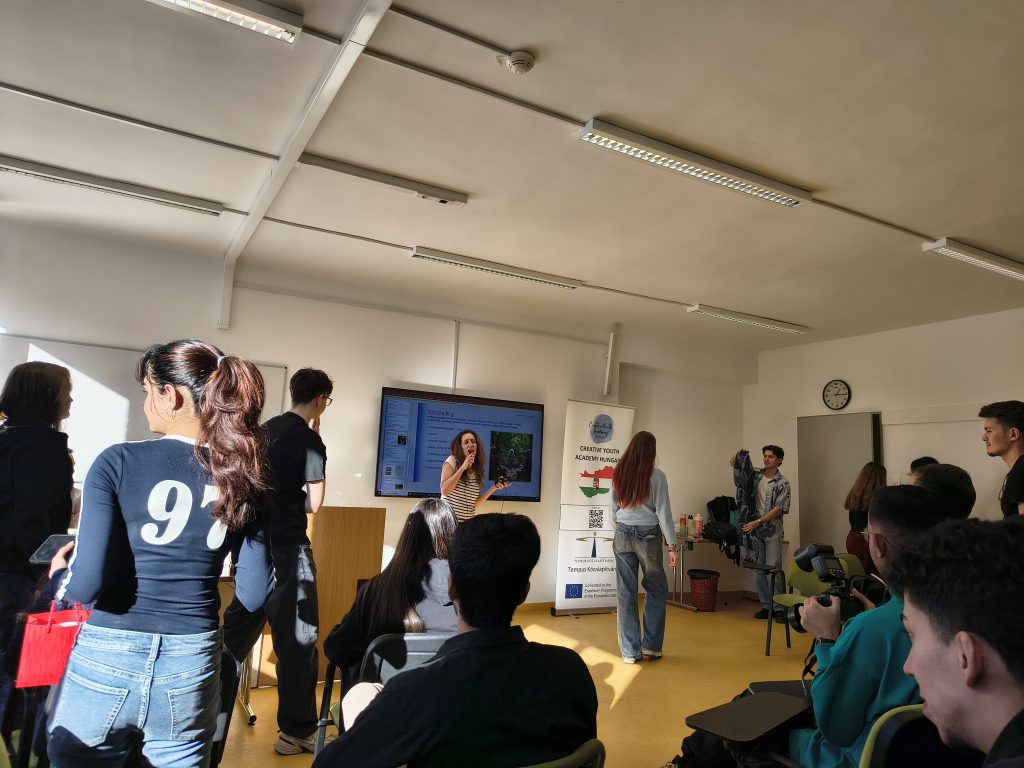
The international workshop created an inspiring space where participants could meet peers from different backgrounds, exchange ideas, develop new skills, and reflect on the important role young people can play in society.
Through a combination of interactive workshops, discussions, teamwork, reflection activities, and intercultural learning, the programme encouraged participants to recognise that their voices matter and that their ideas can contribute to positive change.
Creating space for youth voices
A central message of the activity was that young people should not be viewed only as beneficiaries of projects or services.
They are active citizens with valuable experiences, opinions, creativity, and the capacity to influence their communities.
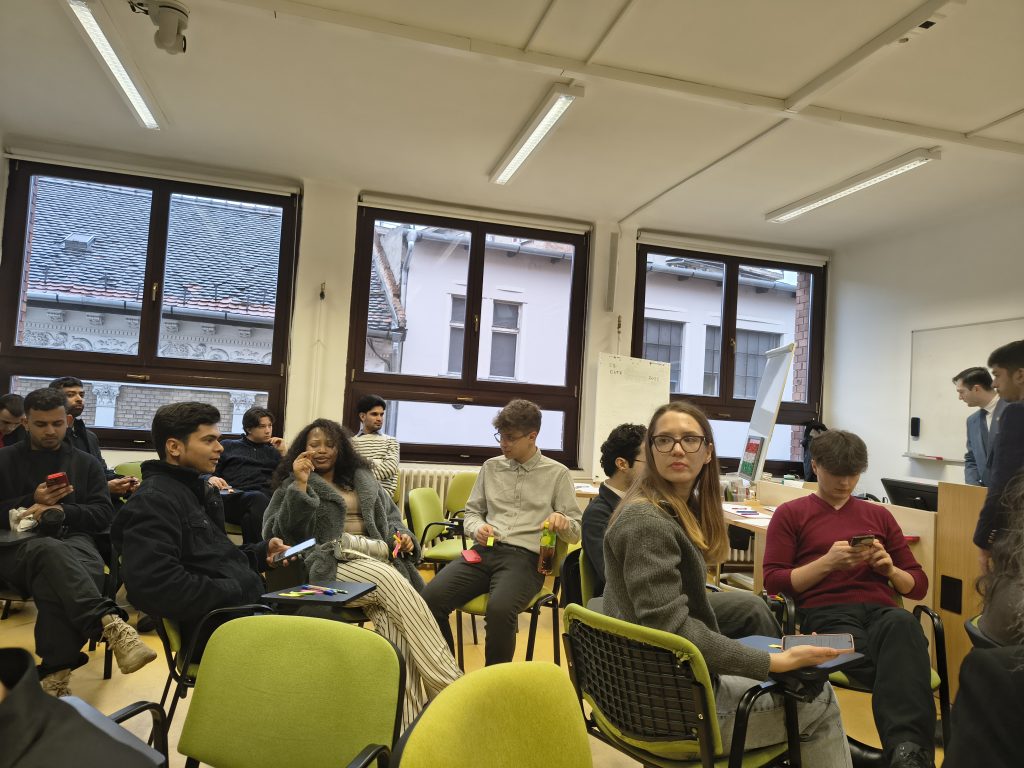
During the workshop, participants were encouraged to express their views, listen to others, work together, and contribute to discussions about issues affecting young people.
The activities helped them understand that participation can take many forms, including:
sharing ideas;
joining community initiatives;
volunteering;
contributing to youth organisations;
communicating with decision-makers;
participating in awareness campaigns;
supporting peers;
developing youth-led projects.
The workshop showed that meaningful participation begins when young people are given a safe and respectful environment in which their contributions are welcomed.
Learning through workshops and interaction
The programme was based on non-formal education methods, allowing participants to learn actively rather than only listening to theoretical presentations.
Through workshops and interactive sessions, participants explored topics connected to youth participation, social responsibility, cooperation, communication, personal development, and community change.
The learning process included:
small-group discussions;
creative exercises;
teamwork;
problem-solving;
reflection sessions;
intercultural activities;
peer learning;
personal experience sharing.
These methods allowed participants to connect the themes of the project with their own lives and communities.
The young people were encouraged to learn not only from trainers and facilitators, but also from one another.
Building confidence and personal awareness
Participation in an international Erasmus+ activity often requires young people to leave their comfort zones.
They may need to communicate in another language, work with unfamiliar people, present their ideas, travel to a new country, or reflect openly on their experiences.
The Budapest workshop created opportunities for participants to build confidence in each of these areas.
By taking part in group activities and discussions, young people strengthened their ability to communicate, cooperate, listen, adapt, and express themselves.
They also became more aware of their personal strengths and the unique contribution they can make within a group.
Intercultural learning and new friendships
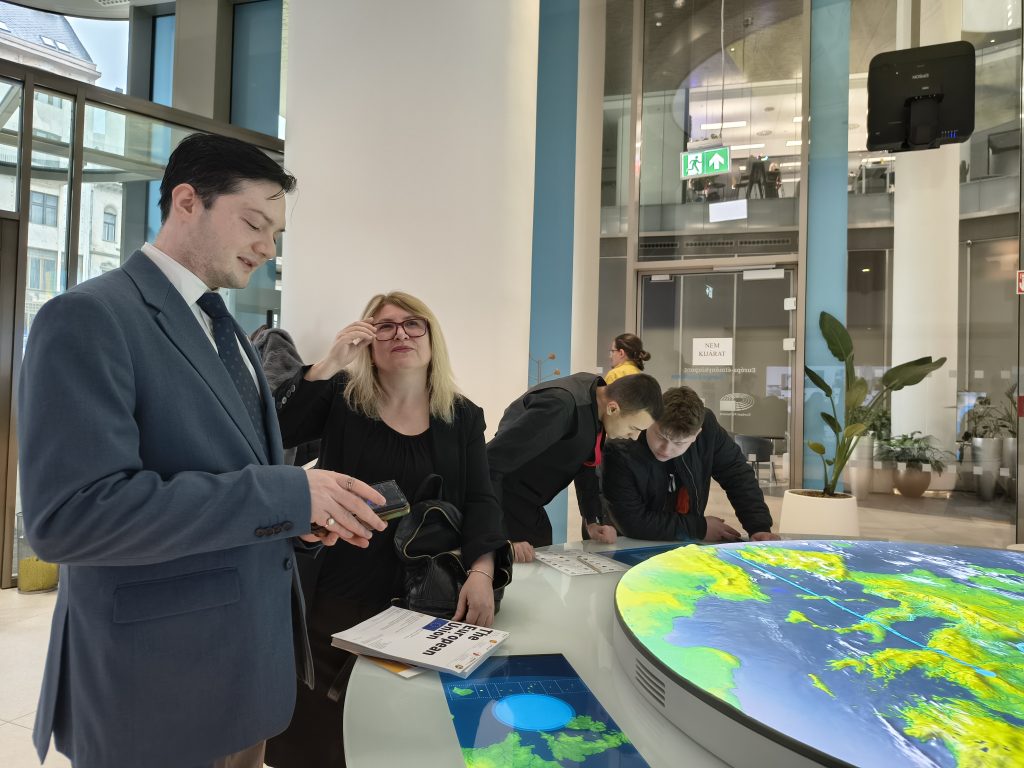
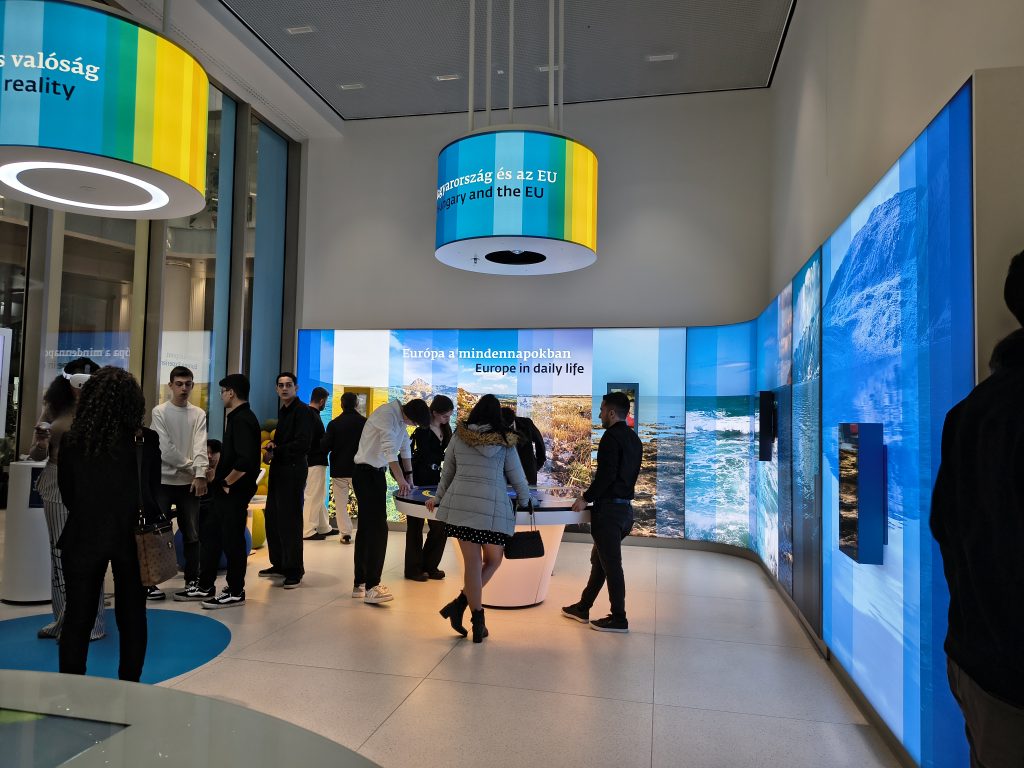
The mobility was also an important intercultural experience.
Participants had the opportunity to meet wonderful people, discover different perspectives, and create meaningful memories together.
Informal conversations, group work, shared activities, and cultural exchange helped young people build connections that extended beyond the formal sessions.
These experiences encouraged openness, empathy, and respect for diversity.
The activity demonstrated that people from different backgrounds can work together effectively when they are willing to listen, communicate, and learn from one another.
For many participants, the friendships and shared memories created in Budapest became one of the most valuable parts of the project.
Young people as agents of positive change
The workshop encouraged participants to reflect on the changes they would like to see in society and on the role they could play in creating those changes.
Young people discussed how even small actions can have a meaningful impact.
Positive change can begin by:
speaking up about an issue;
supporting someone who feels excluded;
sharing reliable information;
organising a local activity;
joining a community project;
helping others participate;
promoting respect and inclusion;
turning an idea into action.
The programme helped participants recognise that young people do not need to wait until the future to become active contributors.
They can make a difference today through their choices, initiatives, and participation.
A participant’s reflection
One participant described the mobility as an unforgettable and life-changing experience:
“Thank you for this opportunity to meet wonderful people, create wonderful memories, and have an unforgettable experience in my life. Through various workshops and interactive sessions, this project showed me that young people have a voice, valuable ideas, and the potential to actively contribute to positive change in society.”
The participant also emphasised the value of Erasmus+ opportunities for other young people:
“I am truly grateful for this opportunity, and I strongly encourage other young people to take part in Erasmus+ projects. It is truly a life-changing experience.”
This reflection captures the wider impact of the mobility.
The programme provided not only knowledge and skills, but also confidence, inspiration, friendships, and motivation for future participation.
Skills developed during the activity
By participating in the Budapest workshop, young people had the opportunity to strengthen important personal, social, and civic competencies.
These included:
communication;
teamwork;
intercultural awareness;
critical thinking;
active listening;
creativity;
self-confidence;
problem-solving;
social responsibility;
initiative;
adaptability;
public participation.
These competencies are valuable not only in Erasmus+ projects, but also in education, employment, volunteering, and everyday community life.
The role of Erasmus+ in youth empowerment
Erasmus+ youth participation activities offer young people opportunities to learn outside traditional classrooms.
They create spaces where participants can explore social issues, develop practical skills, meet peers from other countries, and become more engaged in civic and community life.
The Budapest activity demonstrated how international mobility can support both personal development and democratic participation.
By meeting others, exchanging perspectives, and taking part in meaningful activities, young people become more aware of European values such as solidarity, equality, inclusion, democracy, and respect for human dignity.
Encouraging other young people to participate
One of the strongest messages emerging from the mobility is the encouragement for other young people to explore Erasmus+ opportunities.
Participating in an international project can provide experiences that are difficult to gain through formal education alone.
Young people can:
discover new cultures;
improve their communication skills;
become more independent;
build international friendships;
gain confidence;
explore social issues;
develop new ideas;
become more active in their communities.
The Budapest experience showed that an Erasmus+ project can become much more than a training programme.
It can become a turning point that changes how a young person sees themselves, others, and their role in society.
Continuing the impact after Budapest
The learning and motivation developed during the activity can continue after participants return home.
Young people can share their experiences with friends, classmates, colleagues, volunteers, organisations, and community members.
They may also apply the knowledge and confidence gained during the workshop by joining new projects, volunteering, organising local activities, or encouraging other young people to participate.
In this way, the impact of the mobility extends beyond the individuals who travelled to Budapest.
Each participant can become a multiplier who shares the values, ideas, and opportunities of Erasmus+ with a wider audience.
An unforgettable European experience
The Erasmus+ Youth Participation Activity in Budapest offered young people an opportunity to learn, connect, reflect, and grow.
It demonstrated that youth participation becomes meaningful when young people are listened to, supported, and trusted to contribute.
The memories, friendships, ideas, and competencies developed between 25 and 31 January 2026 will continue to influence participants beyond the formal end of the activity.
The project confirmed an important message: young people have voices worth hearing, ideas worth developing, and the potential to create positive change.
Programme: Erasmus+ Youth Participation Activity
Project number: 2025-2-SK02-KA154-YOU-000366666
Activity: International youth workshop
Dates: 25–31 January 2026
Location: Budapest, Hungary
Hosting organisation: CYA EU, Hungary
Funded by the European Union. The views and opinions expressed are, however, those of the authors only and do not necessarily reflect those of the European Union or the granting authority. Neither the European Union nor the granting authority can be held responsible for them.