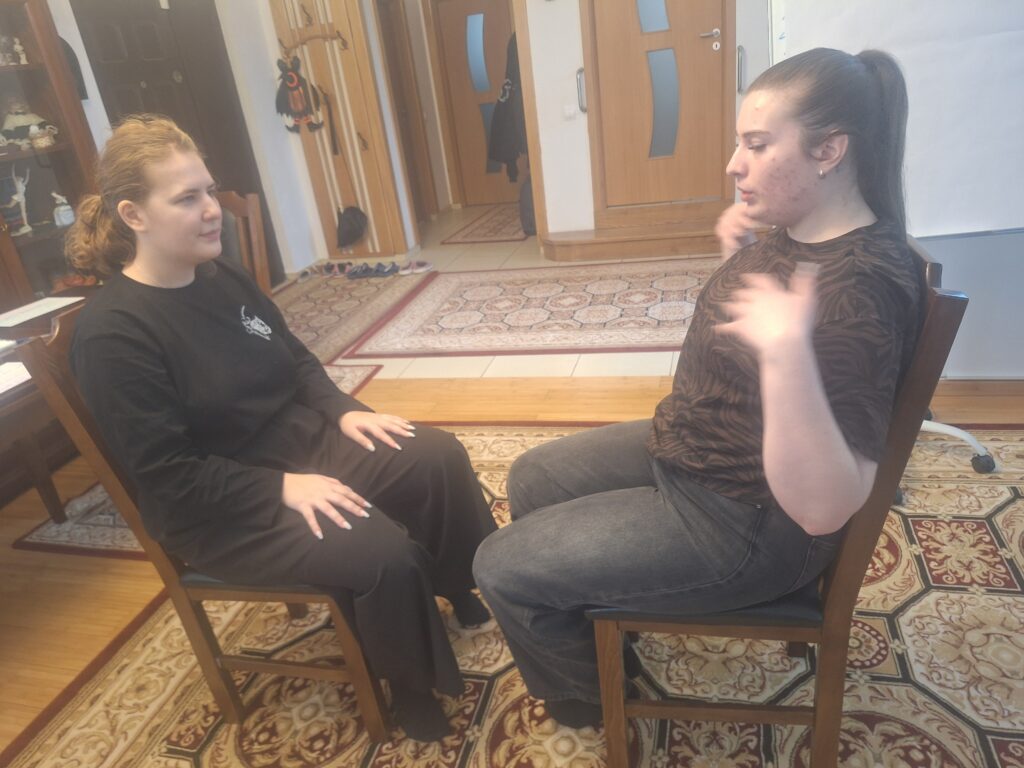
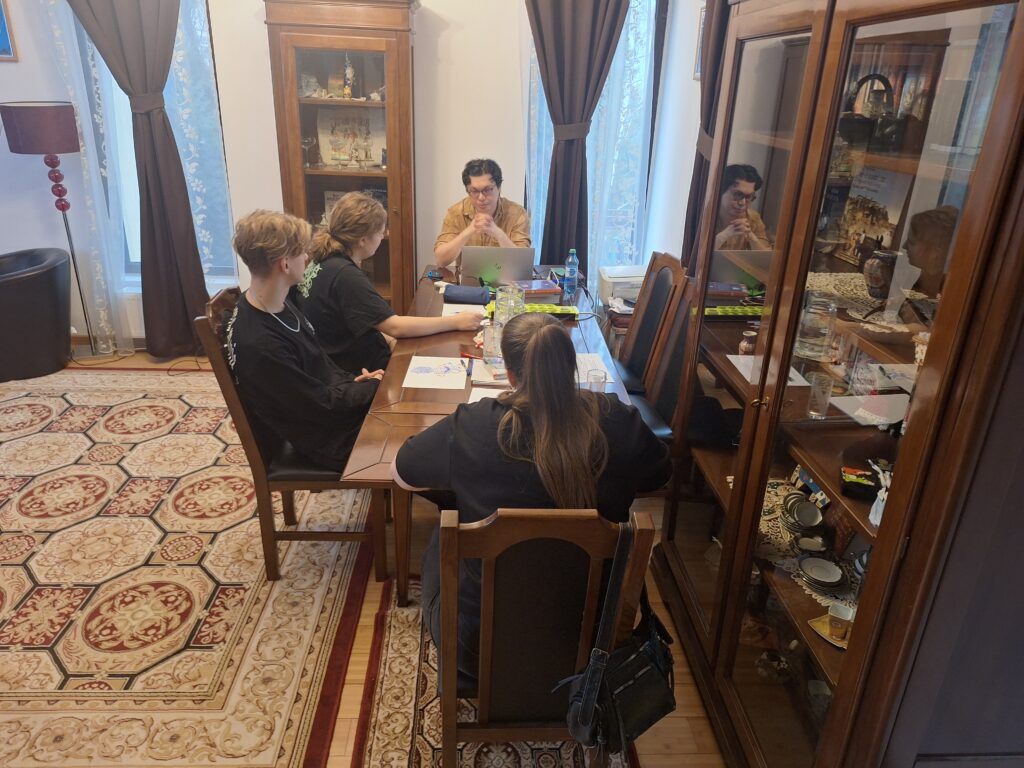
Mobility with Polish Participants 23–31 January 2026
Between 23 and 31 January 2026, the second training mobility of the Cycle of Care KA122 project was successfully implemented with a group of participants from Poland, in collaboration with the course provider SKILLHUBE. The training brought together parents of children with Autism Spectrum Disorder (ASD) for an intensive learning experience focused on strengthening their skills through the integration of digital tools, innovative pedagogical approaches, and evidence-based behavioral strategies.
The course responded to the growing need for inclusive, accessible, and digitally supported education for families raising children with ASD. Many parents face daily challenges, including limited access to specialized support services, high levels of stress, and insufficient opportunities for continuous learning and professional guidance. By combining modern technologies with practical educational methods, the training aimed to equip participants with effective tools to better support their children’s development while also strengthening their own confidence, resilience, and sense of community.
The main objective of the mobility was to empower participants by improving their digital competences, strengthening their ability to apply Applied Behavior Analysis (ABA) strategies in home environments, and creating sustainable peer-support networks that continue beyond the duration of the training. Through structured workshops, group discussions, collaborative exercises, and hands-on activities, participants explored how digital technologies can enhance learning, improve communication, and support behavioral development for children with autism.
During the initial phase of the course, participants explored the fundamental characteristics of autism and gained a deeper understanding of how sensory processing differences, communication barriers, and behavioral patterns influence everyday family life. Through expert-led presentations and reflective group discussions, parents shared their personal experiences and identified common challenges they encounter when supporting children with ASD. This exchange of experiences played an important role in building trust within the group and establishing a supportive learning environment where participants felt comfortable discussing both difficulties and successes.
In addition to the principles of Applied Behavior Analysis, the course introduced several complementary therapeutic approaches used in supporting children with autism. Participants explored methods such as Tomatis auditory stimulation therapy, Sand Therapy, animal-assisted therapy, and other sensory-based interventions. Trainers explained how these approaches can complement behavioral strategies by improving sensory regulation, emotional expression, and communication skills in children with ASD.
A major component of the training focused on digital literacy and the promotion of digital inclusion for parents. Participants were introduced to a wide range of free and accessible digital tools, mobile applications, and e-learning platforms specifically designed to support children with autism. These included visual scheduling applications, digital communication boards, behavior tracking tools, and interactive educational games that help develop cognitive, emotional, and social abilities.
Through practical demonstrations and guided exercises, parents learned how to integrate these digital tools into everyday routines and adapt them to their children’s individual needs. This hands-on experience increased participants’ confidence in using technology as a supportive learning instrument and enabled them to better personalize educational activities at home.
The training also emphasized the value of innovative pedagogical approaches and ICT-based instruction. Participants discovered how digital technologies can complement traditional learning methods by making activities more interactive, engaging, and adaptable. Informal learning strategies such as learning through play, storytelling, and digital simulations were highlighted as effective ways to reinforce behavioral skills and encourage children’s motivation and participation.
Another important part of the program focused on the practical application of Applied Behavior Analysis (ABA) supported by digital technologies. Parents were trained to observe behavioral patterns, identify triggers, and implement positive reinforcement strategies in structured ways. Digital behavior management tools were introduced as practical solutions for tracking progress, monitoring improvements, and establishing achievable developmental goals.
The mobility also created a computer-supported knowledge-building environment that encouraged collaboration and peer learning among participants. Parents were introduced to online collaboration platforms, shared digital resource libraries, and discussion forums that would allow them to continue exchanging experiences and educational materials after the mobility ended. This virtual support network was designed to reduce feelings of isolation often experienced by families of children with ASD and to strengthen long-term cooperation between participants.
Open Educational Resources (OER) played an essential role in ensuring accessibility and sustainability. Participants learned how to identify, evaluate, and use high-quality free educational resources, including eBooks, instructional videos, printable worksheets, and practical ABA implementation guides. By creating personalized collections of digital materials tailored to their children’s needs, parents gained long-term access to learning resources without financial barriers.
The course also addressed the emotional well-being of parents, recognizing that raising and supporting a child with ASD can be both rewarding and demanding. Participants explored digital tools designed to support self-care, mindfulness, and time management, helping them organize daily routines and reduce emotional overload. Discussions emphasized that emotionally balanced and supported parents are better equipped to provide effective guidance and care for their children.
Inclusive education principles were integrated throughout the training, particularly through the application of Universal Design for Learning (UDL). Parents learned how to adapt digital content and educational activities to different learning styles and sensory sensitivities, ensuring that learning experiences remain accessible, flexible, and meaningful for every child.
Another important topic explored during the course was the development of social and communication skills through digital resources. Participants experimented with interactive applications, virtual role-play environments, and emotion-recognition tools that help children practice communication and social interaction in a supportive and structured setting. Trainers also emphasized the importance of maintaining a healthy balance between digital engagement and real-life interaction so that technology enhances rather than replaces human relationships.
The final phase of the training focused on sustainability and knowledge transfer. Participants developed individual action plans outlining how they would apply the knowledge gained during the mobility in their families and local communities. These plans included organizing meetings with other parents, sharing digital tools and resources, cooperating with teachers and therapists, and participating in awareness-raising initiatives related to autism and inclusive education.
Evaluation and Measurement of Success
To measure the effectiveness of the mobility and the achievement of project objectives, a structured evaluation strategy was implemented. At the beginning and at the end of the training, participants completed a survey titled “Knowledge in Digital Tools for Children with Autism.” The survey served as both a pre-test and post-test, allowing project partners to assess improvements in participants’ knowledge and digital competences.
The results demonstrated clear learning progress and confirmed the positive impact of the training. Participants significantly improved their ability to use ICT-supported tools and ABA-based strategies to manage children’s behavior and support learning within home environments.
Participants also gained permanent access to a variety of free digital applications, e-learning platforms, and open educational resources, ensuring that learning continues beyond the duration of the project.
A comprehensive project report will compile key findings, participant feedback, and practical recommendations derived from the training. This report will contribute to the development of future educational initiatives and strengthen cooperation between parents, educators, NGOs, and digital education providers working in the field of inclusive education.
By combining innovative digital practices, evidence-based behavioral interventions, and strong community-building approaches, the Cycle of Care KA122 project contributes to the long-term empowerment of families, improved educational outcomes for children with Autism Spectrum Disorder, and increased social inclusion within communities.