ERASMUS+ – MOBILITY OF INDIVIDUALS
Project Code: 2025-2-MT01-KA122-ADU-000373912
Project Title: Bridges & Basics – Equipping Malta’s Educators for Inclusive Learning
Course 1: Trauma-Informed Adult Education & Safeguarding
Dates: 24–30 April 2026
Destination Country: Romania
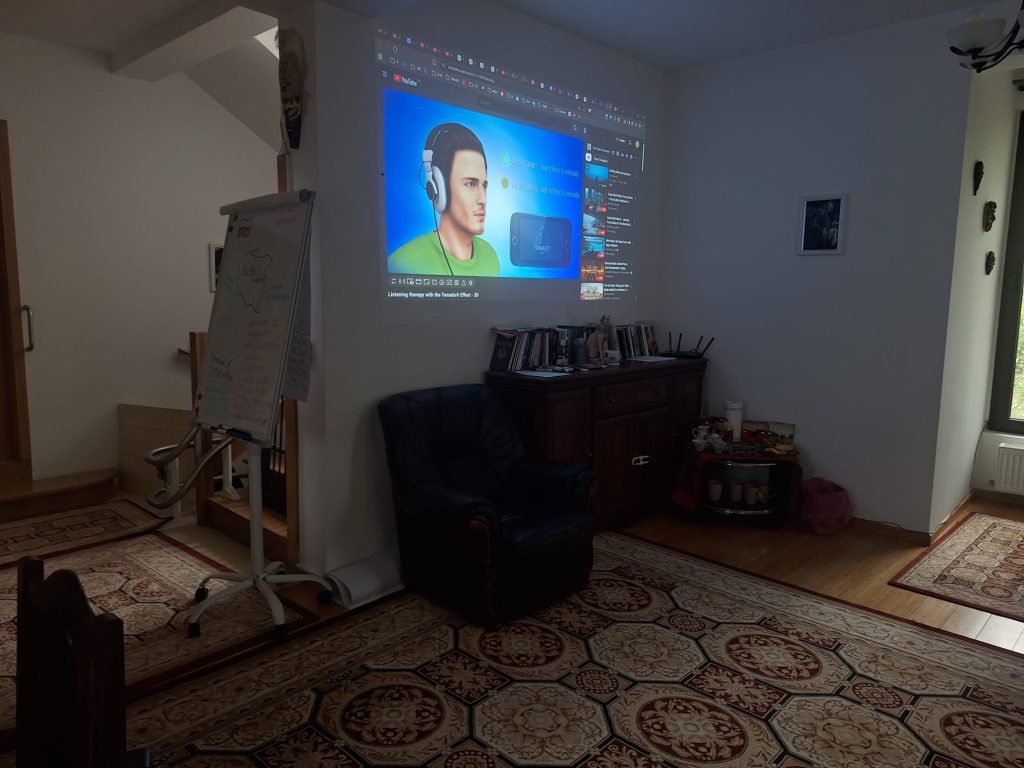
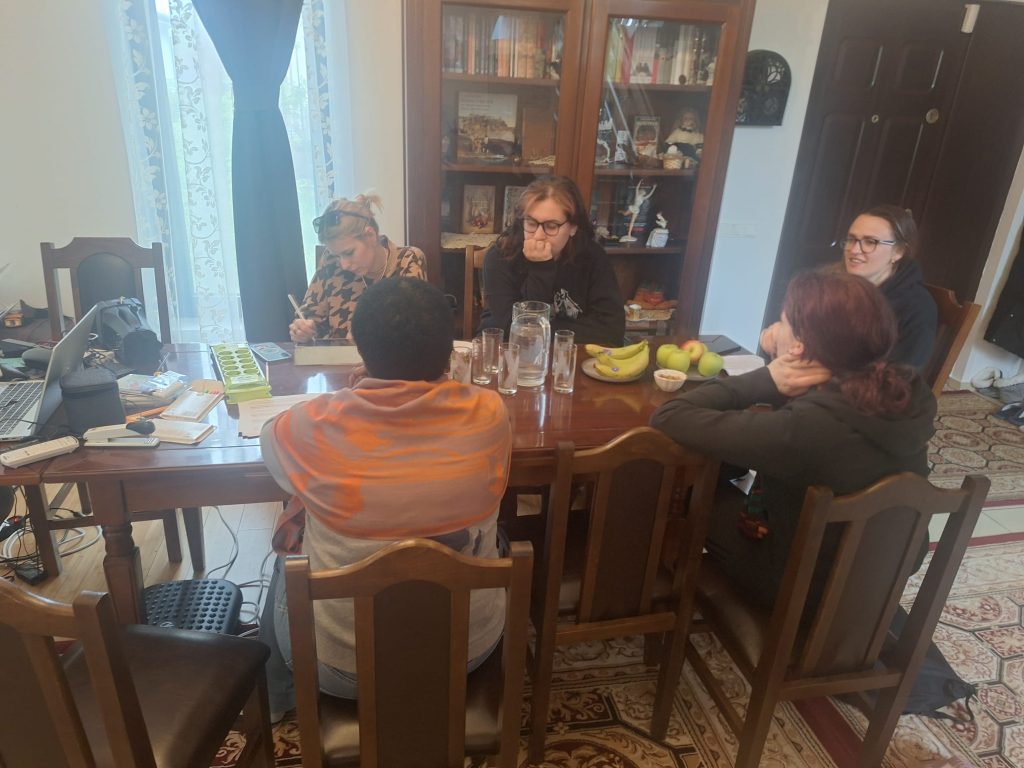
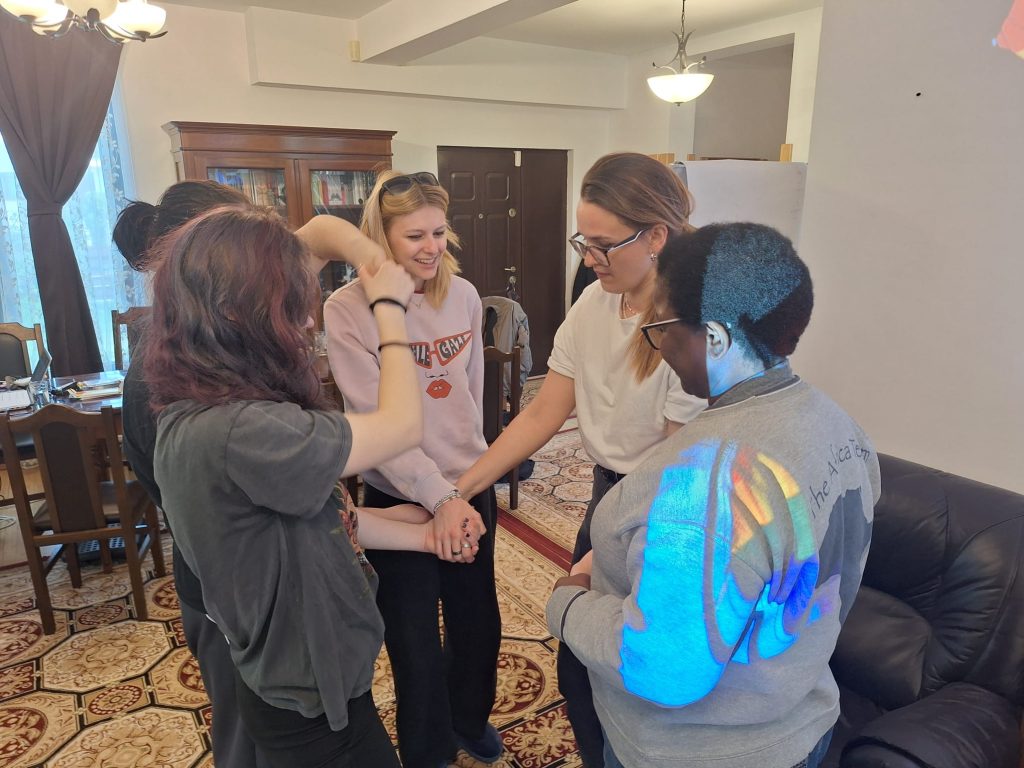
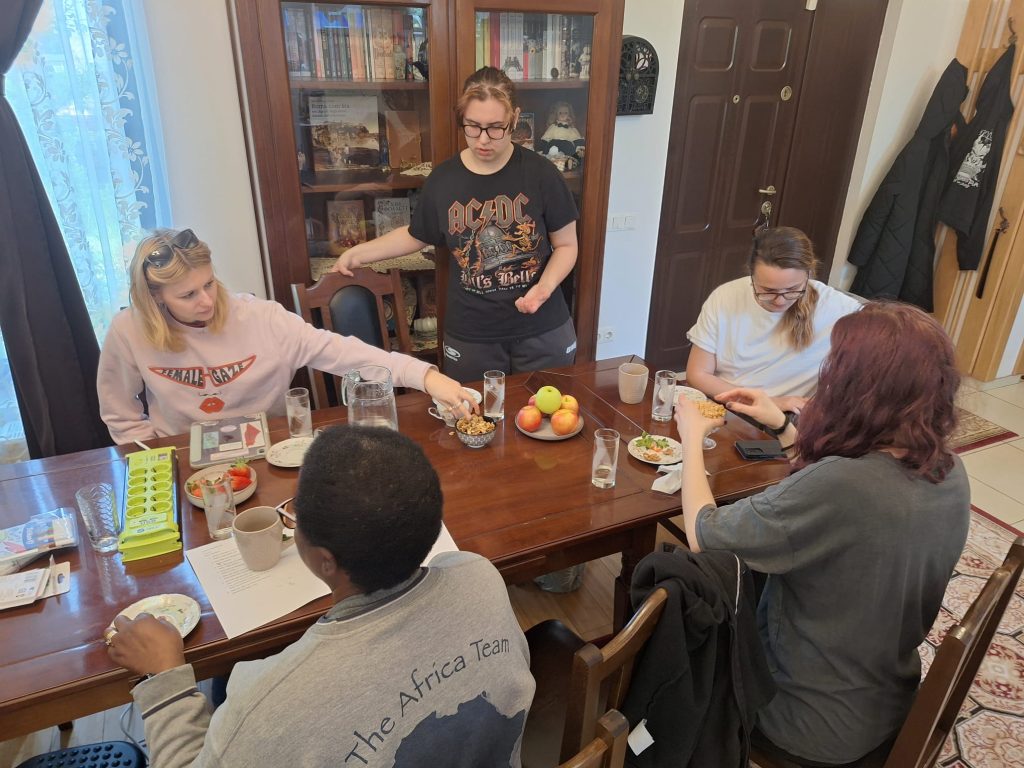
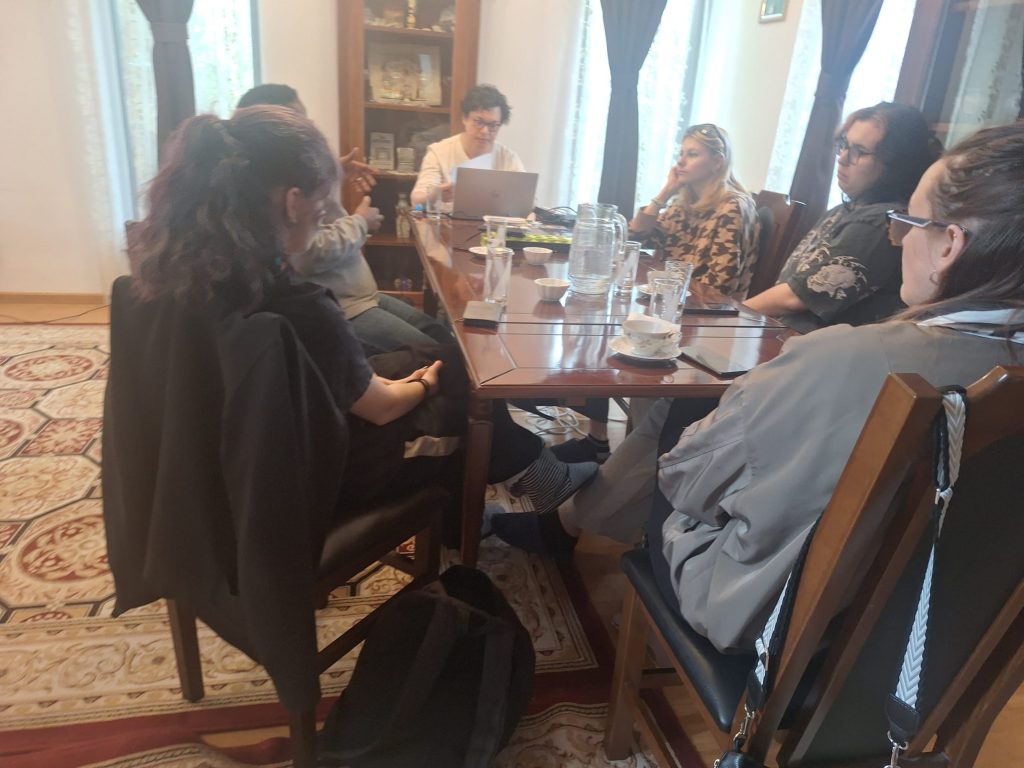
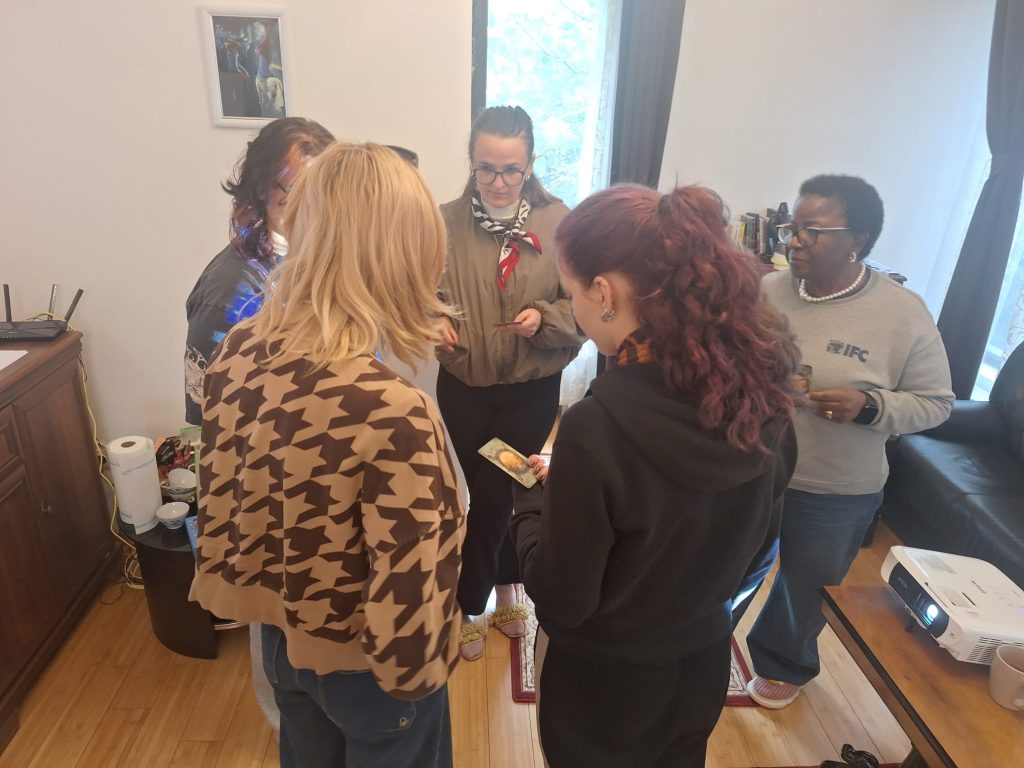
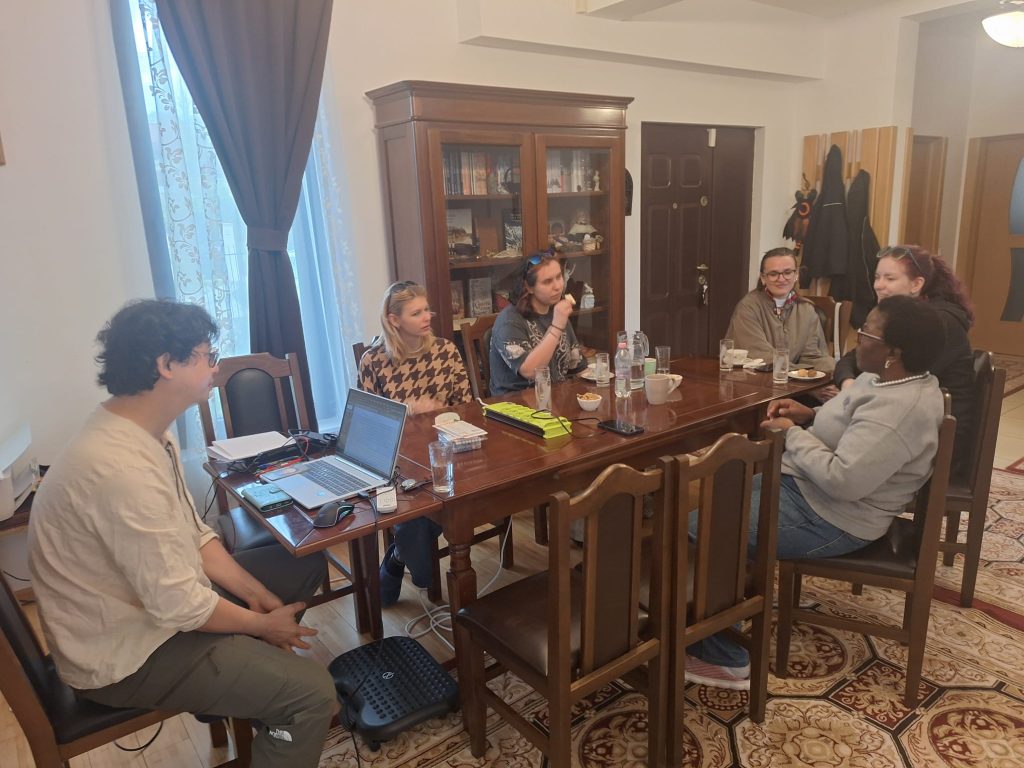
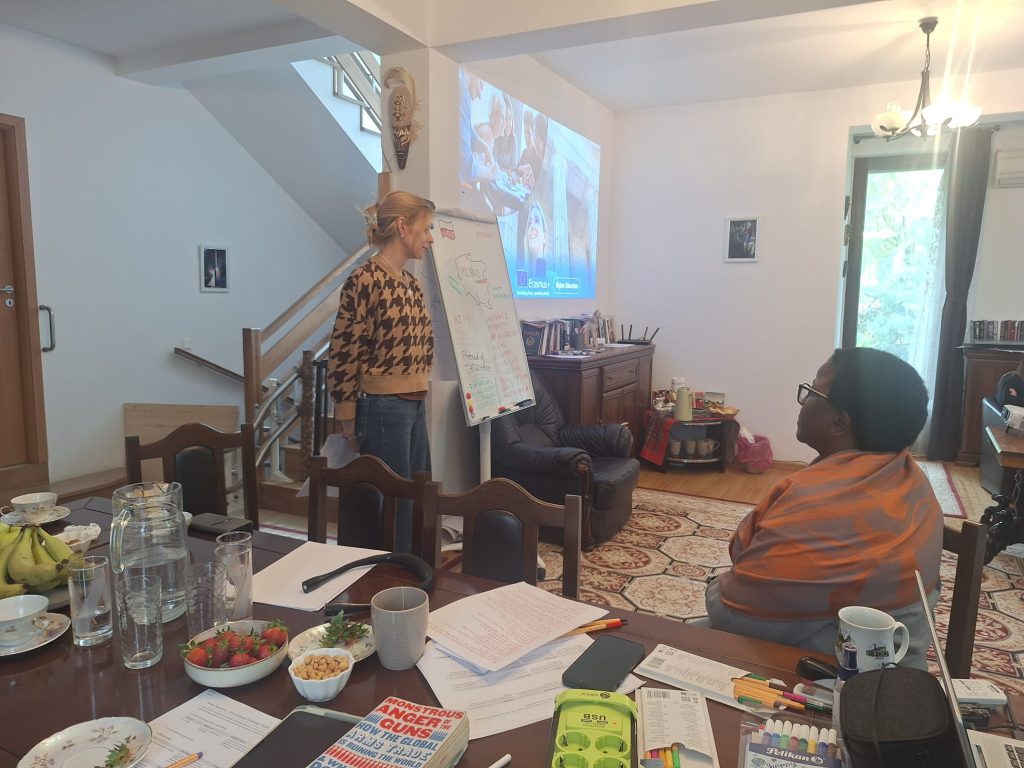
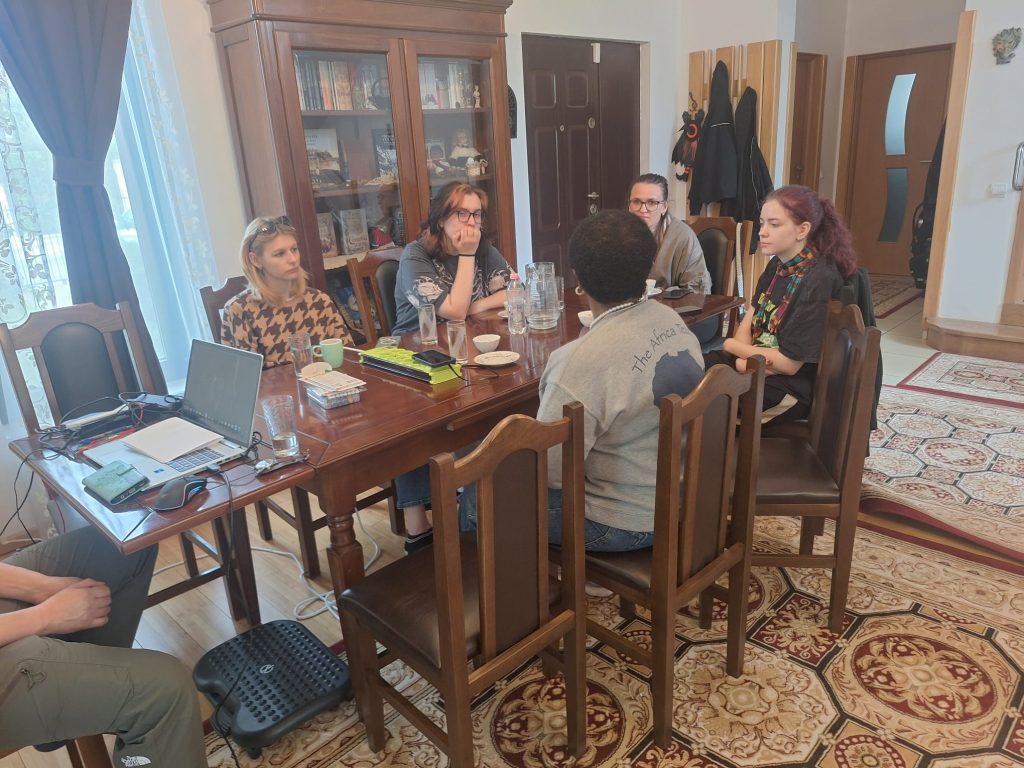
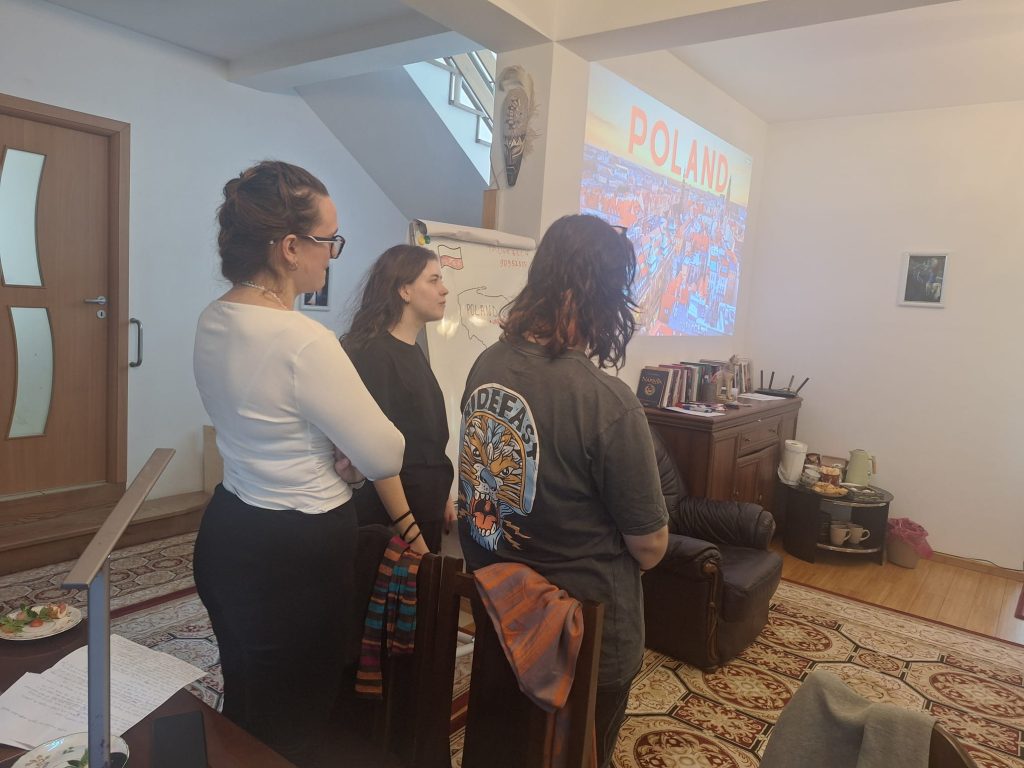
From 24 to 30 April 2026, three adult education professionals from Malta participated in the first mobility course organised under the Erasmus+ project “Bridges & Basics – Equipping Malta’s Educators for Inclusive Learning.”
The seven-day course took place in Romania and focused on trauma-informed adult education, safeguarding, de-escalation, referral procedures and ethical documentation.
The mobility was designed to strengthen the professional capacity of staff working with third-country nationals, asylum seekers, refugees, migrants, survivors of exploitation and other vulnerable adults. These learners may face interconnected barriers related to language, literacy, employment, social exclusion, previous trauma and limited confidence in formal learning environments.
Course 1 responded directly to the project’s objective of creating safer, more predictable and more inclusive adult-learning spaces.
Addressing an Important Organisational Need
The project’s preparatory research and consultation process identified a need for stronger trauma-informed practice among frontline adult educators.
Practitioners reported that they sometimes encountered situations in which learners became distressed or emotionally overwhelmed during educational activities. Staff also expressed uncertainty regarding de-escalation methods, safeguarding thresholds and the correct procedures for referring learners to specialised services.
Differences in practice between staff members and learning sites could lead to inconsistent responses. The project therefore recognised the importance of developing a shared organisational approach based on clear procedures, agreed responsibilities and accessible guidance.
Course 1 was designed to help staff develop the knowledge, practical skills and confidence needed to respond safely and professionally.
Understanding Trauma-Informed Adult Education
Trauma-informed education recognises that some adult learners may have experienced difficult or distressing situations that continue to affect their participation in learning.
Such experiences may influence concentration, memory, communication, emotional regulation, attendance and trust in institutions. A learner may find it difficult to participate, follow instructions, remain focused or communicate openly with the educator.
The role of the adult educator is not to diagnose trauma or provide psychological treatment. Instead, educators should create learning conditions that reduce unnecessary stress, support dignity and promote trust.
During the course, participants explored the principles of trauma-informed facilitation and considered how these principles can be integrated into everyday educational practice.
Particular attention was given to:
- creating predictable classroom routines;
- establishing clear and inclusive learning norms;
- communicating expectations in accessible language;
- respecting learner boundaries;
- avoiding unnecessary pressure or forced disclosure;
- recognising possible signs of distress;
- responding calmly and respectfully;
- supporting learners without exceeding professional roles.
These approaches are especially important in multilingual and mixed-ability groups where trust, safety and clarity are necessary for meaningful participation.
Recognising Trauma Signals
One of the main learning areas of Course 1 concerned the recognition of possible trauma signals.
Participants examined how distress may be expressed in different ways and how educators can observe changes in behaviour without making assumptions about a learner’s personal history.
Possible signals may include withdrawal, confusion, visible anxiety, sudden emotional reactions, difficulty concentrating or a significant change in participation.
The training emphasised that educators should respond to observed needs rather than attempt to interpret or diagnose a learner’s condition.
Staff learned to observe situations carefully, communicate calmly and determine whether additional safeguarding or referral action may be necessary.
Developing De-Escalation Skills
The course included practical work on de-escalation.
De-escalation refers to the use of calm and structured communication to reduce tension and prevent a difficult situation from becoming more serious.
Participants practised methods such as:
- speaking calmly and clearly;
- using short and accessible sentences;
- avoiding confrontation;
- allowing the learner time to respond;
- offering appropriate choices;
- reducing pressure;
- maintaining professional boundaries;
- checking whether immediate support is required;
- following agreed safeguarding procedures.
These methods were explored through practical laboratories and scenario-based activities.
The purpose was to prepare participants to respond consistently and professionally when a learner becomes distressed or when tension develops during an adult-learning session.
Strengthening Safeguarding Readiness
Safeguarding was a central element of Course 1.
The training helped participants understand the responsibilities of adult educators when a learner may be at risk or may require specialised support.
Participants examined the steps that should be followed when a concern is identified:
- recognise the concern;
- respond calmly and respectfully;
- check whether there is an immediate risk;
- document the relevant facts;
- inform the designated safeguarding person;
- activate the appropriate referral pathway;
- follow up according to organisational procedures.
The course reinforced the importance of using a common organisational protocol rather than relying only on individual judgment.
A shared protocol helps ensure that concerns are handled consistently across different staff members, schedules and educational venues.
Referral Pathways Linked to Maltese Services
The application specifically identifies the need for clearer referral literacy connected to relevant Maltese services, including VSA and AWAS.
Participants therefore worked on understanding when a referral may be necessary, what information should be recorded and how a learner can be transferred safely to the appropriate support service.
The training emphasised that adult educators should not attempt to perform the work of specialised professionals. Their responsibility is to recognise concerns, respond appropriately and activate the established referral pathway.
The referral process should be:
- timely;
- clear;
- proportionate;
- confidential;
- properly documented;
- consistent with data-protection requirements.
The knowledge gained during the mobility will support stronger coordination between adult-learning staff and specialised services in Malta.
Ethical Documentation
Course 1 also addressed the ethical documentation of safeguarding concerns and incidents.
Participants learned that records should contain factual and relevant information. Documentation should avoid unnecessary personal details, assumptions or subjective interpretations.
The course focused on:
- recording what was observed;
- recording what was communicated by the learner;
- identifying the action taken;
- indicating who was informed;
- documenting the referral or follow-up step;
- applying data-minimisation principles;
- storing information securely;
- respecting confidentiality.
This approach supports accountability while protecting the dignity and personal data of learners.
Plain-Language Safety Communication
The project application highlights the importance of communicating safety procedures in plain English and Maltese.
Adult learners may have different language and literacy levels. Safeguarding information must therefore be understandable and accessible.
During the course, participants explored how to prepare short and clear safety messages, classroom scripts and visual flowcharts.
These materials are expected to help staff explain:
- where learners can ask for help;
- who is responsible for safeguarding;
- what happens after a concern is reported;
- when information may need to be shared;
- how learners can access additional support.
Accessible communication can reduce uncertainty and make support pathways easier to understand.
Practical Laboratories and Scenario-Based Assessment
Course 1 combined theoretical learning with practical laboratories, job-shadowing and scenario-based assessment.
Participants worked with realistic situations related to trauma signals, de-escalation, safeguarding decisions and referral procedures.
The scenario-based approach allowed them to demonstrate their ability to:
- recognise warning signs;
- communicate calmly;
- apply de-escalation methods;
- identify safeguarding thresholds;
- select the correct referral steps;
- complete ethical documentation;
- use the proposed organisational protocol.
The project intends to evaluate participants through an observed scenario-based assessment. At least 80% of the trained staff are expected to achieve a passing result in exercises covering signal recognition, de-escalation and referral procedures.
Development of a Safeguarding and Referral Protocol
A key result of Course 1 is the development of a shared safeguarding and referral protocol for use within CCIF Malta’s adult-learning activities.
The protocol will include:
- trauma-informed classroom routines;
- procedures for recognising concerns;
- de-escalation steps;
- safeguarding thresholds;
- internal reporting responsibilities;
- VSA/AWAS referral pathways;
- ethical incident documentation;
- confidentiality and GDPR requirements;
- follow-up procedures.
The protocol will be supported by quick-reference scripts, flowcharts and standard forms.
These resources will help staff respond consistently and will reduce differences in practice between learning sites.
Expected Learning Outcomes
As a result of the course, participants are expected to develop validated and job-ready competences in trauma-informed facilitation and safeguarding.
They will be able to:
- recognise possible trauma signals;
- apply trauma-informed classroom routines;
- use appropriate de-escalation techniques;
- identify safeguarding concerns;
- understand referral thresholds;
- activate VSA/AWAS referral pathways;
- complete ethical documentation;
- communicate procedures in plain language;
- apply confidentiality and data-protection principles;
- contribute to the implementation of a shared safeguarding protocol.
The acquired learning outcomes will be recognised through Europass Mobility and internal micro-badges.
Transfer of Learning to Malta
After the mobility, participants will transfer the knowledge and tools acquired in Romania to their professional environment in Malta.
They will contribute to:
- finalising the safeguarding and referral protocol;
- adapting scripts and forms;
- preparing quick-reference flowcharts;
- leading internal masterclasses;
- sharing knowledge with colleagues;
- supporting the implementation of trauma-informed routines;
- participating in peer-observation activities;
- contributing to the project’s monthly community of practice;
- monitoring the use of the protocol across pilot sites.
The participants will also help ensure that the new practices become part of the organisation’s regular procedures.
Monitoring the Impact
The impact of Course 1 will be assessed through practical, organisational and learner-related indicators.
The project expects:
- 21 staff members to complete the project’s overall training programme;
- at least 80% of participants to pass an observed scenario-based assessment;
- the safeguarding and referral protocol to be approved and adopted;
- all pilot sites to display quick-reference scripts and flowcharts;
- more than 90% of staff to use the standard incident forms;
- classroom observation to show improved trauma-informed practice;
- plain-language English and Maltese safety communication to be used;
- learner feedback to indicate an improved sense of safety and clarity regarding support pathways;
- safeguarding documentation to comply with GDPR requirements.
The protocol will also be reviewed through the project’s community of practice and through cooperation with relevant stakeholders.
Supporting Safer Adult-Learning Environments
Course 1 plays an essential role in the wider implementation of the Bridges & Basics project.
The mobility does not focus only on individual professional development. It supports organisational improvement by introducing shared procedures, practical tools and consistent standards.
The course contributes directly to the project objective “SAFE CLASS – Trauma-informed, safeguarding-ready staff.”
Through this objective, the organisation aims to:
- strengthen staff confidence;
- prevent and de-escalate difficult situations;
- improve safeguarding readiness;
- clarify referral responsibilities;
- standardise documentation;
- improve classroom safety;
- support vulnerable adult learners more effectively.
A Strong First Mobility for the Project
The mobility implemented from 24 to 30 April 2026 established an important foundation for the remaining courses and activities of the project.
By strengthening trauma-informed practice, safeguarding awareness and referral literacy, Course 1 supports educators in creating adult-learning environments characterised by safety, trust, predictability and respect.
The knowledge and resources developed during the course will be transferred to Malta, tested in practice and embedded within the organisation’s adult-learning procedures.
Through Erasmus+, Bridges & Basics – Equipping Malta’s Educators for Inclusive Learning is helping Malta’s adult educators respond more effectively to the needs of vulnerable learners while strengthening cooperation, professional competence and the overall quality of inclusive adult education.