ERASMUS+ – MOBILITY OF INDIVIDUALS
Project Code: 2025-2-MT01-KA122-ADU-000373912
Project Title: Bridges & Basics – Equipping Malta’s Educators for Inclusive Learning
Course 2: DigComp Methods for Low-Skilled Adults – Levels 1–3
Mobility Period: 23–30 May 2026
Host Country: Romania
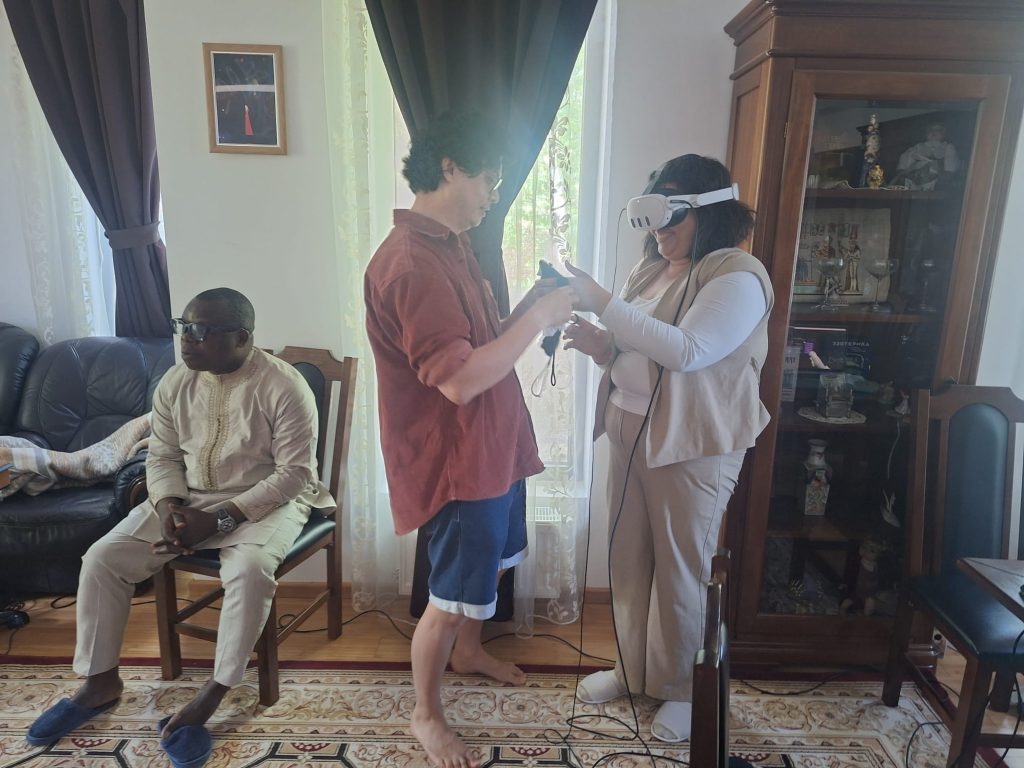
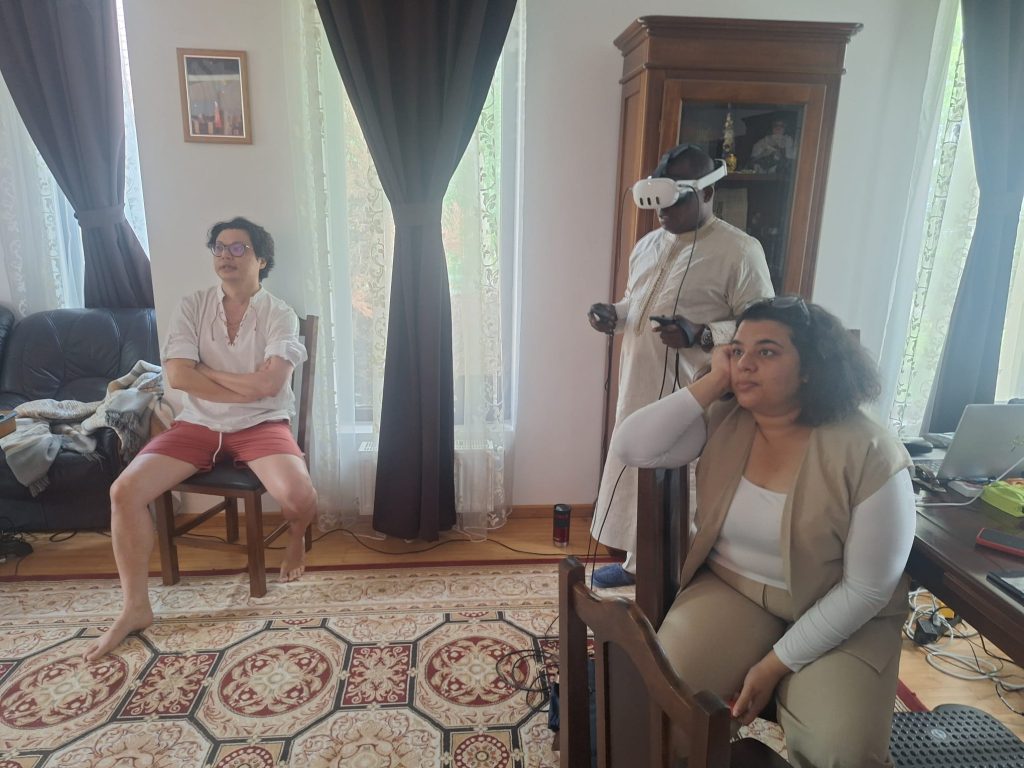
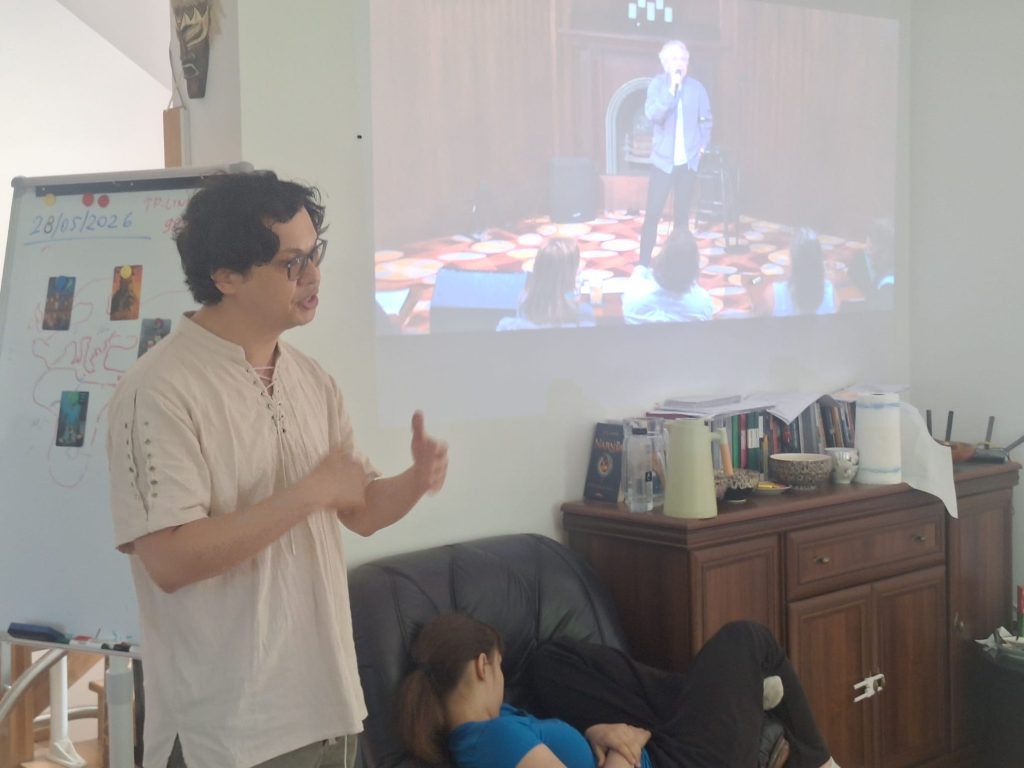
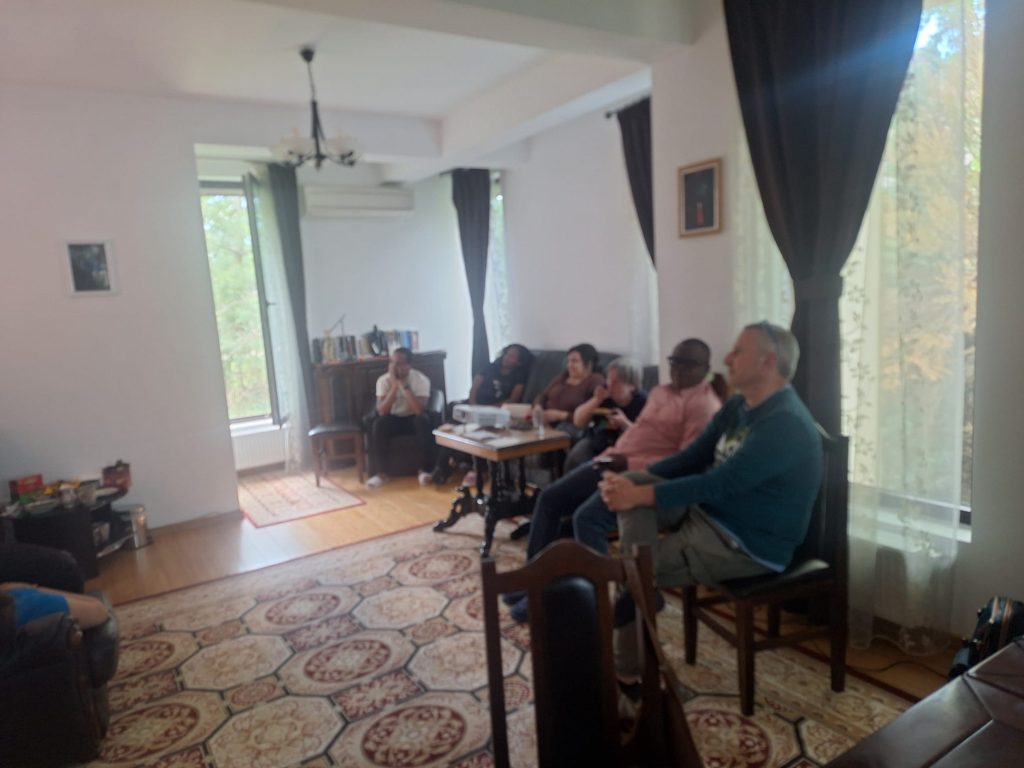
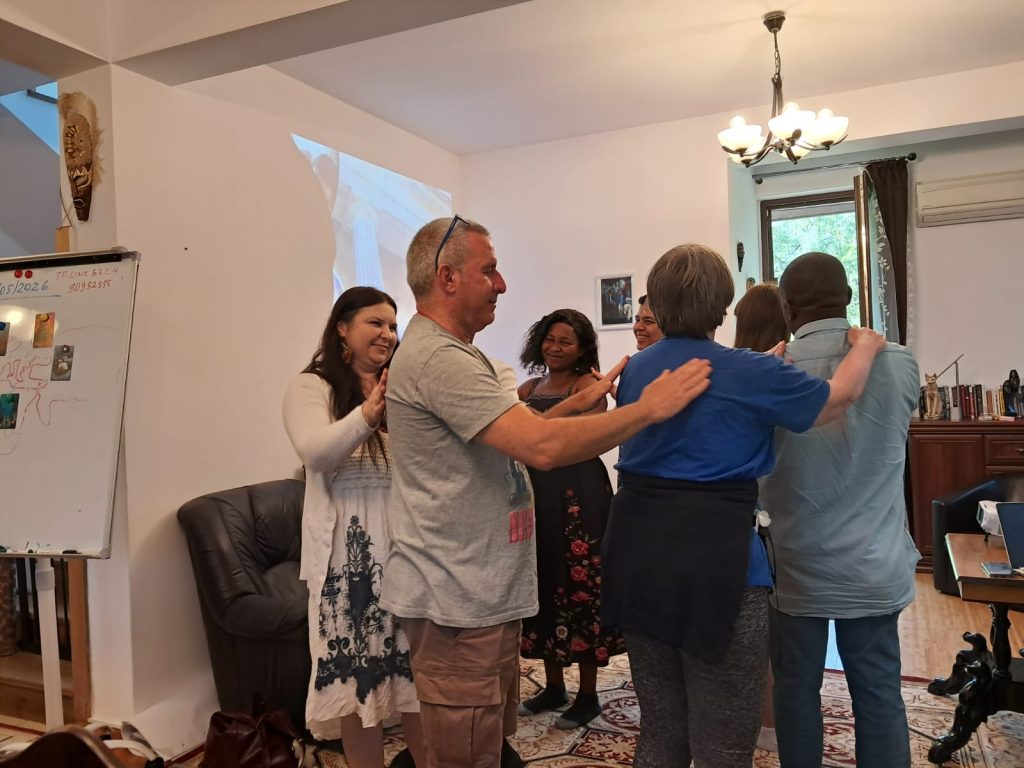
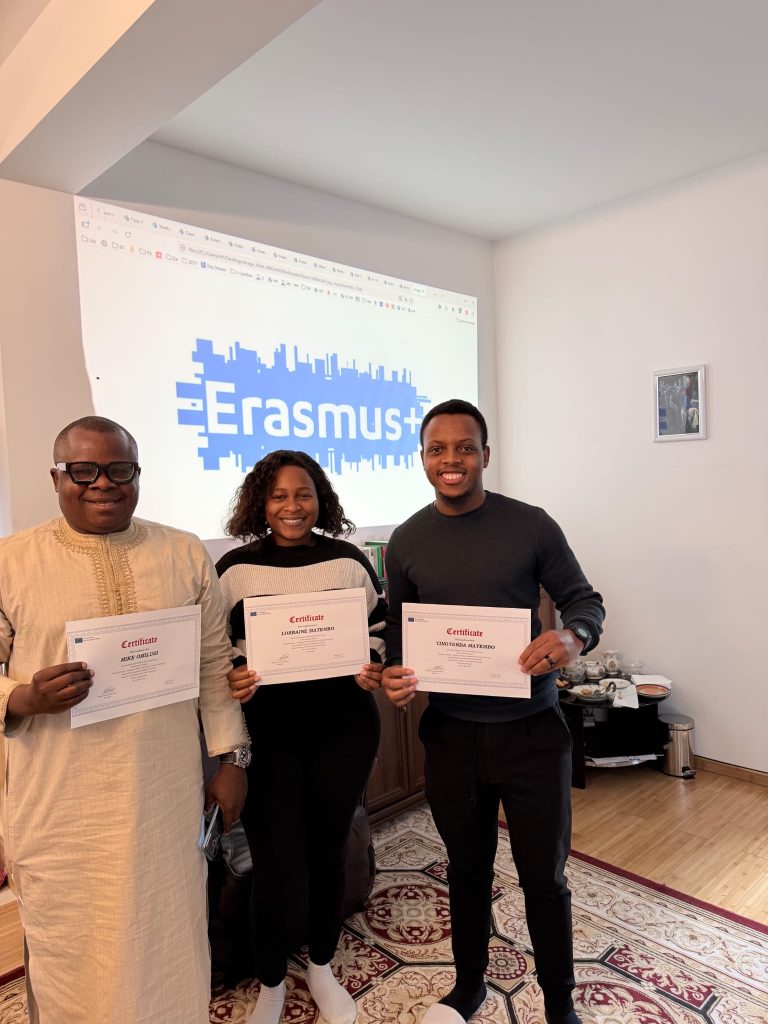
Between 23 and 30 May 2026, a group of adult education professionals from Malta participated in the second international training course organised within the Erasmus+ project “Bridges & Basics – Equipping Malta’s Educators for Inclusive Learning.” The mobility took place in Romania and focused on strengthening the capacity of educators to provide accessible, inclusive and practical digital education to adults with limited digital experience.
The course represented an important step in the implementation of the project’s wider mission: improving the quality of adult learning opportunities available to third-country nationals, refugees, migrants, low-qualified adults and other residents facing barriers to education, employment and active participation in society.
Responding to the Digital Needs of Adult Learners
Digital technologies have become an essential part of everyday life. Adults are increasingly expected to use online platforms to communicate with public institutions, search and apply for employment, access educational opportunities, manage appointments, complete administrative procedures and stay connected with their communities.
However, not all adults have equal access to digital devices, internet connectivity or opportunities to develop digital skills. Some learners may have limited experience using computers or smartphones, while others may lack confidence because of language difficulties, interrupted education, unfamiliarity with digital platforms or previous negative learning experiences.
For educators working with vulnerable adult groups, it is therefore not enough to simply introduce digital tools. Learning activities must be carefully adapted to the participants’ abilities, needs, language levels and everyday realities.
Course 2 was designed to help educators respond to these challenges by applying the European Digital Competence Framework for Citizens – DigComp in practical and accessible adult-learning contexts. Particular attention was given to competences corresponding to DigComp Levels 1–3, which cover foundational and guided digital tasks.
Main Objectives of Course 2
The training aimed to improve participants’ ability to design and deliver short, practical and inclusive digital-learning activities for adults with limited digital competences.
More specifically, the course supported participants in:
- understanding the structure and competence areas of the DigComp framework;
- identifying the digital needs and existing abilities of adult learners;
- designing accessible learning activities for DigComp Levels 1–3;
- delivering device-light activities that can be completed using smartphones, shared computers or low-specification devices;
- creating clear, step-by-step digital instructions;
- adapting activities for multilingual and mixed-ability groups;
- using simple pre-course and post-course tasks to measure progress;
- supporting adults in using digital technologies safely and responsibly;
- increasing learner confidence, motivation and participation;
- developing short digital micro-modules that can be transferred to adult-learning settings in Malta.
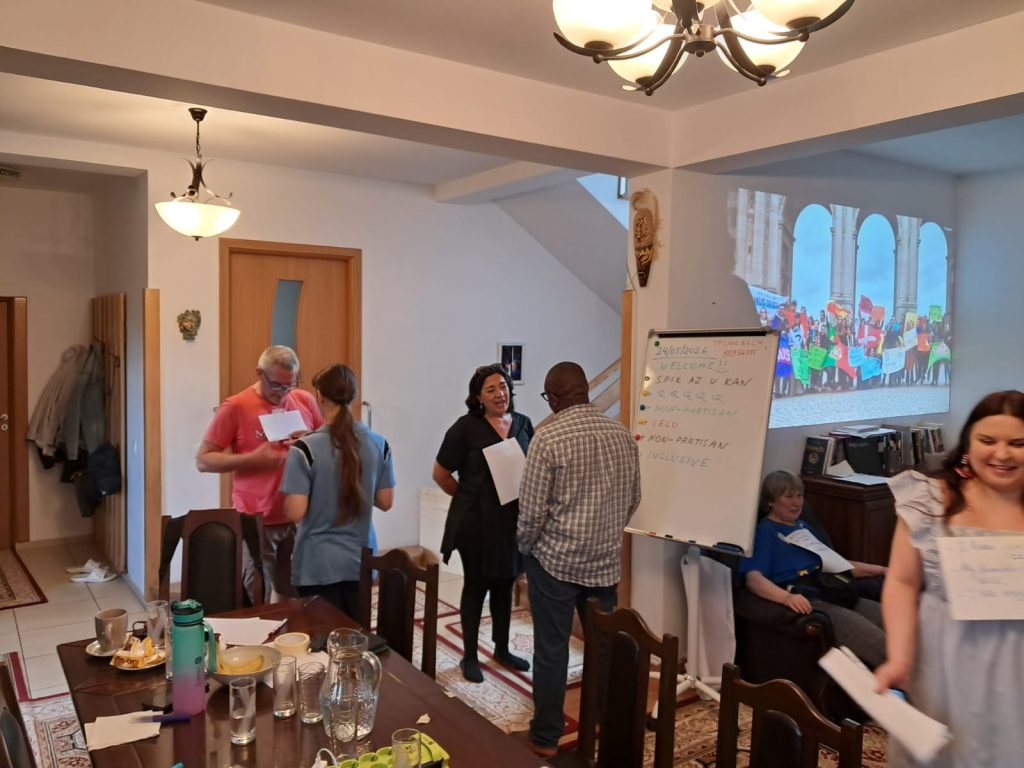
The training combined theoretical input with practical exercises, collaborative work, demonstrations, peer learning, reflection sessions and the development of educational resources that can be used directly with adult learners.
Exploring the DigComp Framework
During the mobility, participants examined the five main competence areas of the DigComp framework:
- Information and data literacy;
- Communication and collaboration;
- Digital content creation;
- Safety;
- Problem-solving.
These areas were explored through realistic situations that adult learners may encounter in their daily lives.
Participants discussed how educators can support learners in searching for reliable information, recognising misleading content, communicating through digital platforms, protecting personal information, creating simple digital content and solving basic technical problems.
The educators also reflected on the importance of avoiding overly technical explanations. Instead of starting with abstract definitions, adult digital education should begin with meaningful tasks connected to real needs.
Examples of practical learning activities included:
- searching for essential public information online;
- identifying trustworthy and untrustworthy websites;
- creating and using an email account;
- sending a message and attaching a document;
- completing a simple online form;
- accessing employment and training platforms;
- creating a basic digital CV;
- saving, naming and finding a digital file;
- using online maps and transport applications;
- joining an online meeting;
- managing account passwords;
- recognising suspicious links and messages;
- adjusting privacy and security settings;
- understanding the basic opportunities and risks associated with artificial intelligence.
By connecting digital competences with real-life situations, educators can make learning more relevant and increase the likelihood that learners will use the acquired skills independently.
Designing Device-Light Learning Activities
An important part of the course addressed the unequal access that many adult learners have to digital equipment. Some learners may rely entirely on a smartphone, while others may have access only to a shared computer in a community centre, public library or adult-learning venue.
Participants therefore learned how to design device-light activities that do not depend on expensive equipment, advanced software or constant high-speed internet access.
The training encouraged educators to:
- provide printed visual instructions alongside digital demonstrations;
- divide complex procedures into small and manageable steps;
- use screenshots, icons and colour-coded guidance;
- prepare offline alternatives whenever possible;
- organise learners in pairs or small support groups;
- avoid applications that require unnecessary personal data;
- choose free and accessible digital platforms;
- test activities on different devices before using them with learners;
- allow sufficient time for repetition and guided practice;
- create supportive environments in which learners are not afraid to make mistakes.
Participants also considered how practical barriers such as forgotten passwords, limited mobile data, low device storage, unfamiliar keyboards and different operating systems can affect participation. These issues may appear minor to experienced users, but they can prevent an adult with limited digital experience from completing even a simple task.
Supporting Multilingual and Mixed-Ability Groups
Course 2 placed a strong emphasis on inclusion. Adult-learning groups are rarely homogeneous. Participants may have different educational backgrounds, literacy levels, language abilities, cultural experiences and levels of confidence.
The educators explored methods for ensuring that digital education remains accessible to everyone. These methods included the use of plain language, bilingual terminology, demonstrations, images, peer support, repeated practice and flexible pacing.
Participants practised rewriting complex digital instructions into short, clear steps. They also discussed how to reduce the cognitive burden placed on learners by limiting the amount of information presented at one time.
A supportive approach is particularly important when working with adults who have previously been excluded from education or who may associate formal learning with failure. Educators were encouraged to recognise small achievements, provide constructive feedback and create opportunities for learners to demonstrate progress without the pressure of traditional examinations.
Developing DigComp Micro-Modules
One of the central practical components of the mobility was the development of short, accessible learning units known as micro-modules.
A micro-module focuses on one clearly defined competence or practical task and can be completed within a relatively short period. This approach is especially useful for adults who have shift-based employment, care responsibilities, transport difficulties or limited availability for longer courses.
Participants worked on the structure of DigComp-aligned micro-modules containing:
- a clear and achievable learning objective;
- a practical task connected to everyday life;
- simple instructions for the educator;
- step-by-step instructions for the learner;
- accessible visual or bilingual materials;
- a short introductory assessment;
- guided practice activities;
- a final competence task;
- a simple reflection or feedback activity;
- suggestions for adaptation to different ability levels.
The resources developed during and after the mobility will help educators deliver consistent digital-skills activities while still adapting them to the needs of individual groups.
Measuring Learning Without Creating Fear
Assessment was another important topic addressed during Course 2. Traditional tests may discourage adult learners, especially those with low literacy, limited language skills or negative experiences of formal education.
Participants learned to use practical, low-pressure methods of assessment. Instead of asking learners to describe a digital procedure theoretically, educators can ask them to demonstrate the procedure through a relevant task.
For example, learners may be invited to:
- locate a specific piece of information online;
- send a correctly addressed email;
- attach a document to a message;
- identify a suspicious online communication;
- change a privacy setting;
- complete a basic online registration form;
- save and retrieve a document;
- participate in a guided online meeting.
Short pre- and post-learning tasks can help educators identify progress without creating a formal examination atmosphere. Observation checklists, learner reflections and task-completion records can also provide useful evidence of learning.
Within the project, the objective is for at least 70% of participating adult learners to complete one level-appropriate DigComp task successfully after taking part in the pilot activities.
Online Safety and Responsible Digital Participation
Digital inclusion must be accompanied by digital safety. Adults who are new to online environments may be particularly vulnerable to scams, misinformation, identity theft, harmful content and misuse of personal data.
The training therefore addressed the importance of integrating safety into every digital-learning activity.
Participants explored strategies for teaching adults how to:
- create stronger passwords;
- avoid sharing sensitive personal information;
- recognise suspicious links and attachments;
- respond to fraudulent messages;
- check the credibility of online information;
- understand basic privacy settings;
- use public or shared devices more safely;
- log out of accounts correctly;
- recognise manipulative or misleading online content;
- approach artificial intelligence tools critically;
- understand that AI-generated information may be incomplete, inaccurate or biased.
Educators were encouraged to present digital safety in a practical and empowering way. The aim is not to frighten learners, but to help them participate online with greater confidence, awareness and independence.
Learning Through Cooperation and European Exchange
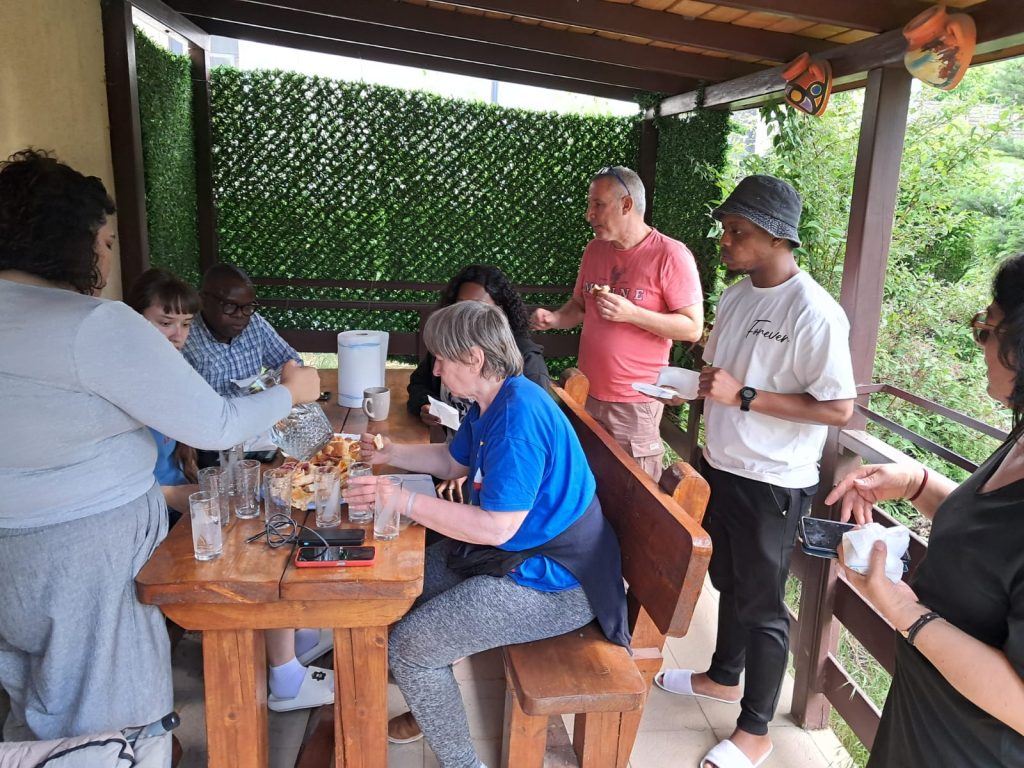
The international dimension of the course created valuable opportunities for professional exchange. Participants were able to compare approaches, share experiences, analyse practical challenges and explore methods that can be adapted to the Maltese adult-education context.
The Romanian learning environment provided space for experimentation, reflection and collaborative development. Through workshops, practice laboratories and peer feedback, participants moved beyond theoretical understanding and worked directly on resources and methods that can be used after returning home.
The mobility also strengthened professional cooperation between the sending and hosting organisations. Such cooperation contributes to a wider European exchange of good practices in inclusion, digital education, adult learning and community development.
Transfer of Learning to Malta
The completion of the international course is only the first stage of the learning process. Following the mobility, participants will transfer the acquired knowledge to their organisation and to the adult-learning environments in which they work.
The participants are expected to:
- adapt the course materials to the Maltese context;
- contribute to the development of DigComp micro-modules;
- pilot the activities with adult learners;
- produce plain-language and accessible learning resources;
- use simple pre- and post-learning assessment methods;
- collect feedback from learners and colleagues;
- participate in peer-observation activities;
- contribute to the project’s community of practice;
- support colleagues through internal training and mentoring;
- document the results and improvements achieved.
The developed micro-modules will be tested in three Maltese venues. Their implementation will be monitored through attendance records, learner task logs, feedback forms, observation tools and retention dashboards.
The project aims to ensure that the results of the mobility become part of the organisation’s regular educational practice rather than remaining isolated outcomes of one international training activity.
Promoting Attendance, Retention and Progression
The micro-module approach developed through Course 2 is also expected to support learner retention. Adults facing employment, family or transport constraints may find it difficult to commit to long and inflexible educational programmes.
Short, clearly structured activities make progress easier to see and allow learners to achieve meaningful results within manageable periods. Successful completion of one task can motivate an adult to continue towards another learning objective.
The project seeks to improve attendance and retention in the pilot sites by at least 10 percentage points compared with the existing baseline. Digital micro-modules will be combined with shift-friendly schedules, flexible delivery, learner follow-up and visible forms of recognition.
Staff participation will be documented through Europass Mobility, while internal micro-badges and other recognition methods will help acknowledge the competences developed and applied during the project.
A Contribution to Inclusive Adult Education
Course 2 made a direct contribution to several priorities of the Bridges & Basics project. It strengthened educators’ digital pedagogical competences, supported the development of accessible educational resources and promoted equal participation in digital society.
The mobility also contributed to the project’s wider objectives of:
- improving the quality of services offered to vulnerable adults;
- reducing digital exclusion;
- supporting integration and employability;
- increasing access to education and public services;
- improving learner confidence and independence;
- strengthening cooperation between European adult-learning organisations;
- creating reusable and transferable educational resources;
- embedding quality assurance and continuous improvement in adult education.
Looking Ahead
The mobility held from 23 to 30 May 2026 provided participants with practical methods, new perspectives and renewed motivation to make digital learning more accessible.
Through the combination of the DigComp framework, inclusive teaching, plain-language communication, device-light activities and practical assessment, Course 2 demonstrated that digital education can be adapted successfully to adults with very different starting points.
The knowledge acquired in Romania will now be transformed into practical action in Malta. The participating educators will contribute to the creation and piloting of accessible digital micro-modules, support colleagues through internal knowledge-sharing and help adult learners develop the competences needed to participate more confidently in modern society.
The course therefore represents more than an individual professional-development opportunity. It is part of a long-term organisational effort to build stronger bridges between education, inclusion, employment and active citizenship.
Through Erasmus+, Bridges & Basics – Equipping Malta’s Educators for Inclusive Learning continues to promote an adult-learning environment in which digital progress is practical, measurable, safe and accessible to everyone.