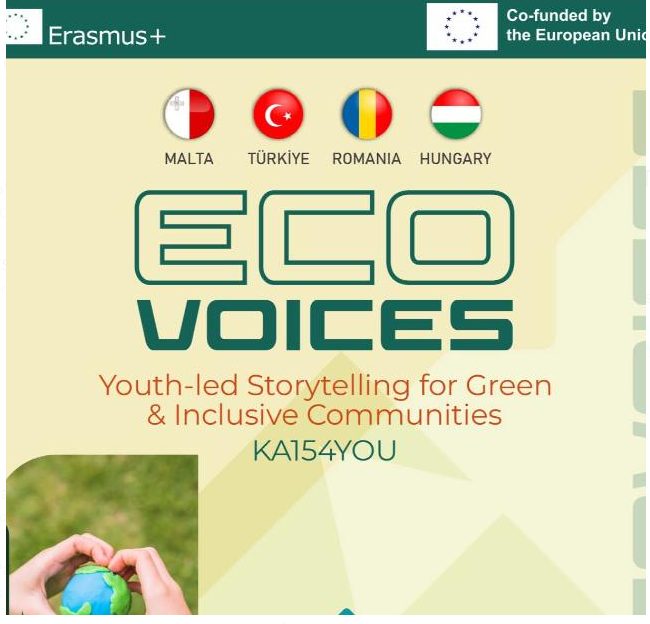
Storytelling, digital media, environmental action, and inclusion will come together in Marsaxlokk
From 22 to 28 May 2026, young people and group leaders from Malta, Türkiye, Romania, and Hungary will meet in Marsaxlokk, Malta, for the first international mobility of the EcoVoices project.
Entitled “Green Voices Bootcamp – Storytelling for Inclusive Sustainability,” the activity will bring together participants aged 16 to 25 for an intensive programme focused on environmental awareness, inclusive community action, storytelling, digital media, and youth participation.
The mobility is organised within project number 2025-3-MT01-KA154-YOU-000373900 and represents the first major learning activity of the EcoVoices project.
Preparing young people to communicate for change
The Green Voices Bootcamp aims to help young people understand how storytelling and digital communication can be used to raise awareness about environmental challenges and social inequality.
Participants will explore how climate change and environmental problems affect communities differently. They will also learn how to communicate these realities through short films, podcasts, visual stories, campaign messages, and other digital formats.
The programme will encourage young people to become not only learners, but also content creators, campaign designers, and advocates for more inclusive and sustainable communities.
Connecting sustainability and social inclusion
A central idea of the activity is that environmental protection and social inclusion must be addressed together.
Climate change, pollution, limited access to green spaces, rising costs, and unequal access to services can have a stronger impact on young people and communities already facing social or economic barriers.
During the mobility, participants will reflect on questions such as:
- Who is most affected by environmental challenges?
- Whose experiences are often missing from climate discussions?
- How can young people make environmental messages more inclusive?
- How can digital stories motivate communities to take action?
- How can sustainability campaigns reach people with fewer opportunities?
Through dialogue and practical activities, participants will develop a stronger understanding of environmental justice and inclusive green action.
An intercultural learning experience
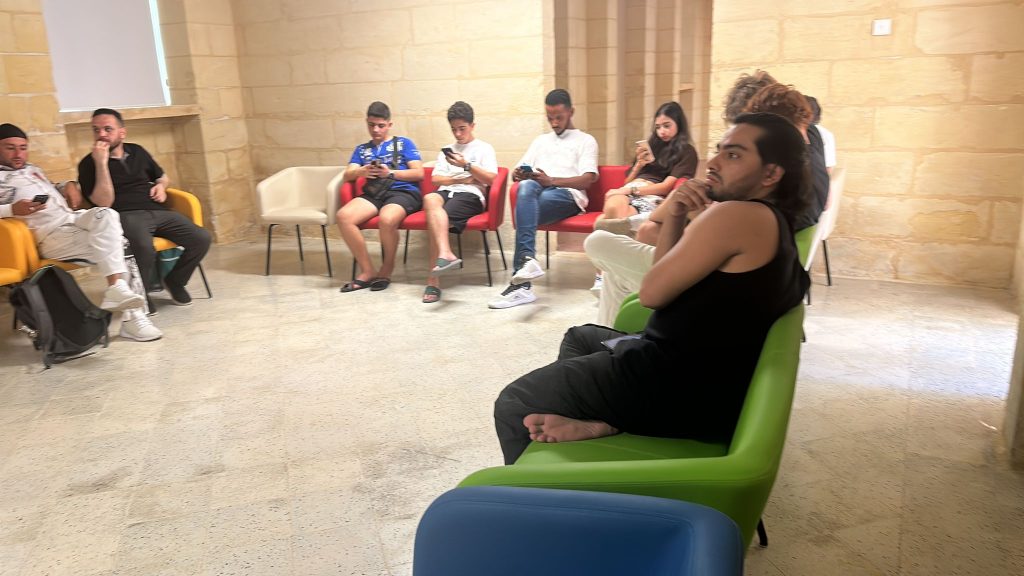
The mobility will bring together 21 young participants and seven group leaders from four countries.
Working in intercultural teams, participants will exchange experiences, compare environmental challenges in their communities, and develop joint ideas for action.
The programme will begin with intercultural icebreakers, group games, storytelling circles, and visual brainstorming activities.
These methods will help participants get to know one another, build trust, and create a respectful learning environment.
The international dimension will also allow young people to improve their communication skills, practise using English, develop greater cultural awareness, and build friendships across borders.
Day One: Introduction to sustainability and inclusion
The first day will focus on arrivals, logistical orientation, group building, and the introduction of the main project themes.
Participants will take part in interactive presentations about sustainability, environmental justice, social inclusion, and youth participation.
A city orientation activity in Valletta will encourage the group to observe environmental and social issues in public spaces.
During the walk, participants will look at how urban development, tourism, transport, public access, waste, and heritage are connected to sustainability.
The day will conclude with a reflection circle in which participants will share their first impressions and identify local challenges that could later become the basis of their stories.
Day Two: Learning the power of storytelling
The second day will introduce different storytelling techniques.
Participants will explore:
- oral storytelling;
- visual storytelling;
- digital storytelling;
- short-film production;
- podcast creation;
- message development;
- audience engagement.
Practical demonstrations will help young people understand how a story can be transformed into a short digital product.
In teams, participants will create initial story drafts linking climate challenges with inclusion and community life.
Peer mentoring and cooperative learning will allow participants with different levels of digital experience to support one another.
Day Three: Developing digital media skills
The third day will focus on practical digital-media production.
Participants will practise:
- filming;
- audio recording;
- interviewing;
- framing a message;
- basic editing;
- selecting images and sounds;
- improving clarity and impact.
Through hands-on laboratories, young people will begin producing their first media outputs.
The teams will review one another’s work and provide constructive feedback.
This process will help participants improve both their technical skills and their ability to communicate environmental issues in a clear, respectful, and engaging way.
The day will also include group reflection on the challenges they encountered and the solutions they found during production.
Day Four: Designing inclusive sustainability campaigns
On the fourth day, participants will work in teams to develop inclusive sustainability campaigns.
Using design-thinking methods, they will identify a community challenge, define a target audience, develop a key message, and select appropriate communication tools.
The campaigns may address topics such as:
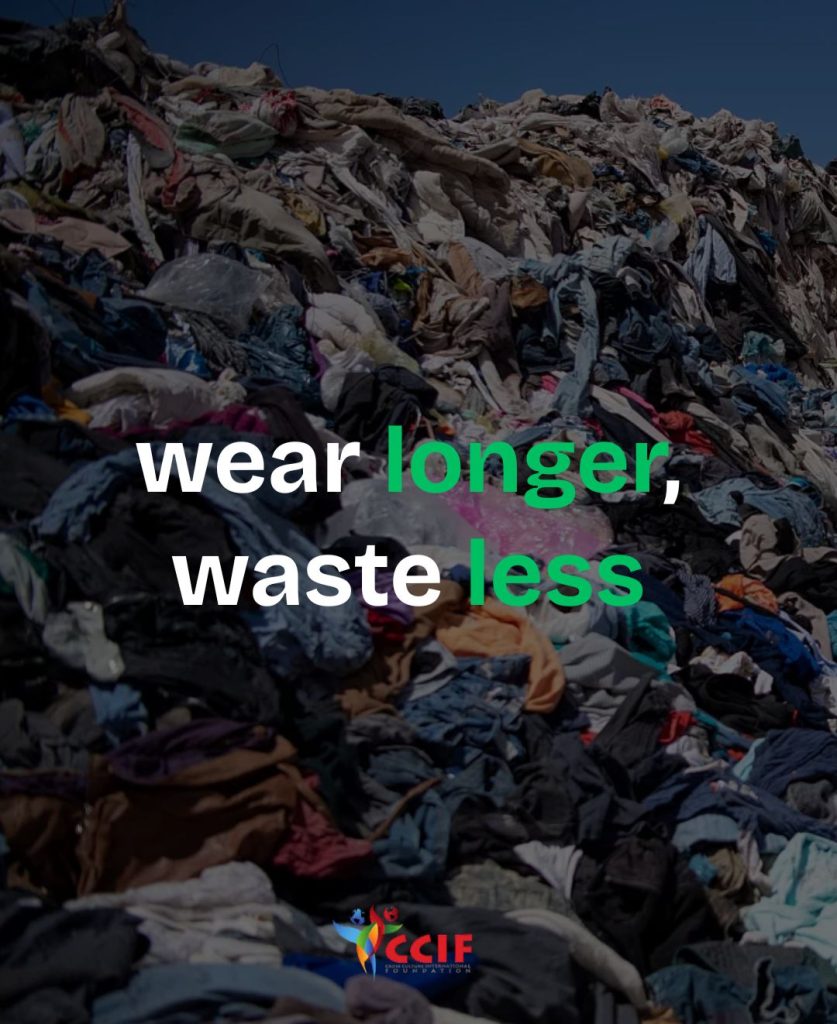
- reducing waste;
- responsible consumption;
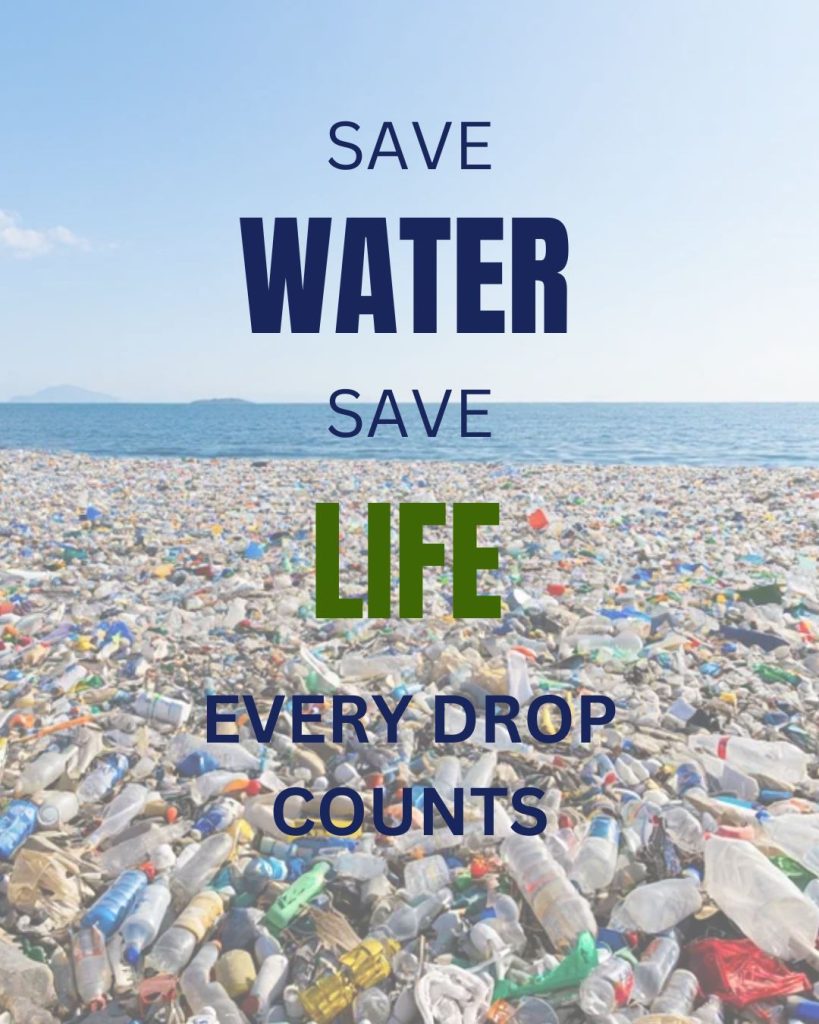
- environmental protection;
- access to green spaces;
- climate awareness;
- inclusive public participation;
- environmental challenges affecting disadvantaged groups.
Participants will create prototypes, test their ideas, rehearse their campaign messages, and refine their outputs.
Simulation exercises and self-assessment will help each team evaluate whether its campaign is clear, realistic, inclusive, and capable of encouraging action.
Day Five: Showcasing youth-created media
The final programme day will be dedicated to presenting the work developed during the Bootcamp.
Participants will showcase their:
- short films;
- podcasts;
- digital stories;
- campaign ideas;
- visual messages;
- community action proposals.
The showcase will allow young people to explain the challenges they selected, the audiences they wanted to reach, and the changes they hoped to encourage.
The activity will also include a digital exhibition, group dialogue, final evaluation, and Youthpass self-assessment.
Participants will reflect on the competencies they developed and identify how they can use these skills after returning home.
Learning through non-formal education
The Green Voices Bootcamp will use non-formal education methods throughout the programme.
These will include:
- storytelling circles;
- intercultural games;
- creative laboratories;
- teamwork;
- peer mentoring;
- field observation;
- visual brainstorming;
- learning by doing;
- design thinking;
- cooperative prototyping;
- simulation;
- peer feedback;
- public presentation;
- reflection and self-assessment.
These methods will allow participants to actively create, test, discuss, and improve their ideas.
Instead of learning only through lectures, young people will gain experience by developing their own digital stories and campaigns.
Strengthening digital competencies
An important objective of the mobility is to improve young people’s confidence in using digital media.
Participants will learn how to plan, record, edit, and present digital content while also considering ethics, consent, accessibility, and responsible communication.
They will explore how digital platforms can be used to inform communities, amplify youth voices, and support environmental advocacy.
The activity will also encourage participants to think critically about how media messages are constructed and how digital content can influence public attitudes.
Giving visibility to excluded voices
The project places strong emphasis on the participation of young people facing social, economic, geographical, or cultural barriers.
At least 40% of the wider project participation is intended to involve young people with fewer opportunities.
The Green Voices Bootcamp will encourage participants to include perspectives that are often overlooked in environmental debates.
Young people will be invited to consider whose voices are missing, who faces the greatest barriers to participation, and how media content can become more accessible and representative.
This approach will support empathy, fairness, and more responsible environmental communication.
Marsaxlokk as a learning environment
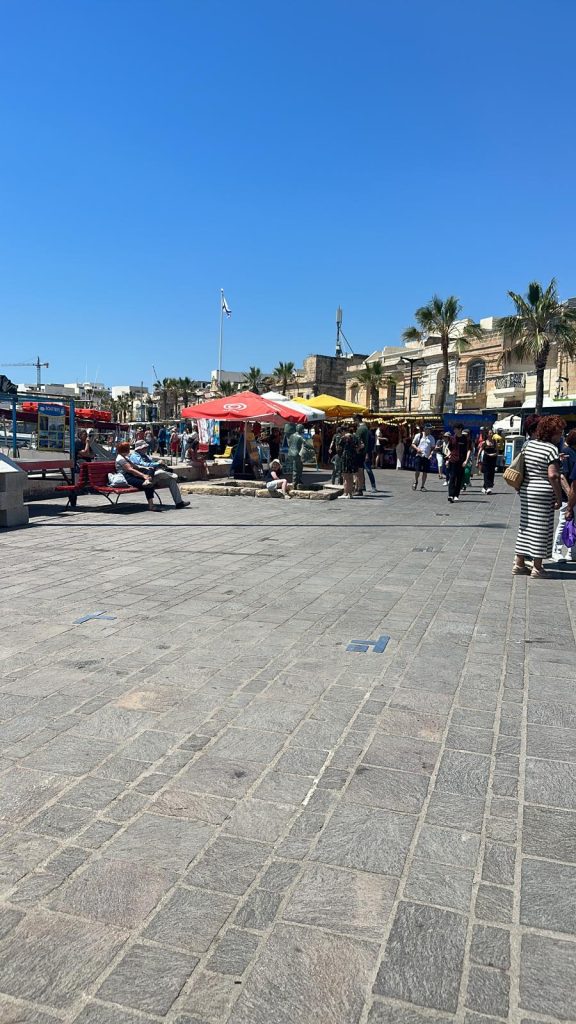
The activity will take place at the Marsaxlokk Youth Activity Centre in the traditional fishing village of Marsaxlokk.
The centre provides activity rooms, outdoor spaces, accommodation, a kitchen, and shared dining facilities.
Marsaxlokk offers a particularly relevant setting for a project focused on environmental storytelling.
Its coastal location, fishing traditions, harbour, local market, public spaces, and relationship with the sea provide many opportunities for observation and discussion.
Participants will be able to connect environmental topics with the daily life, culture, and economy of a local community.
Discovering Malta and Valletta
The programme will also provide participants with opportunities to learn about Malta’s cultural and environmental context.
Valletta, Malta’s capital, is a UNESCO World Heritage City known for its historic architecture, public spaces, traditional balconies, and coastal setting.
The city orientation activity will not be organised only as sightseeing. It will help young people practise observation and identify how heritage, tourism, urban life, environmental responsibility, and social access intersect.
This field-based learning will provide inspiration for the digital stories and campaign ideas created later in the programme.
Expected learning outcomes
By the end of the mobility, participants are expected to have:
- improved their storytelling abilities;
- developed basic filming and audio-recording skills;
- gained experience in digital editing;
- increased their understanding of sustainability;
- strengthened their awareness of environmental justice;
- learned how to design inclusive campaigns;
- improved their teamwork and communication;
- developed greater confidence in public presentation;
- strengthened their intercultural competencies;
- created media products that can be shared in their communities.
They will also gain experience in transforming a local issue into a clear story and connecting that story to a call for community action.
From Malta to local communities
After the mobility, participants will be encouraged to share their learning and digital outputs in their home communities.
Possible follow-up activities may include:
- presentations for other young people;
- local workshops;
- digital exhibitions;
- screenings of short films;
- podcast sharing;
- environmental campaigns;
- social-media dissemination;
- community discussions;
- youth-led green actions.
These follow-up activities will help extend the impact of the Bootcamp beyond the young people who participate directly.
The stories and campaign ideas created in Malta will also contribute to the wider development of the EcoVoices project.
The first step in a wider European journey
The Green Voices Bootcamp is the first of four international mobilities planned within the EcoVoices project.
Further activities will focus on inclusive action, digital storytelling, and dialogue with decision-makers.
Together, these mobilities will help young people move from learning and creative expression toward practical community action and democratic participation.
The overall project aims to equip young people with media and storytelling tools, support inclusive environmental campaigns, engage participants with fewer opportunities, and connect grassroots ideas with local, regional, and European decision-makers.
Looking forward to May
Preparations are now underway for the arrival of the international group in Malta.
Participants and group leaders are preparing for an intensive week of creativity, cooperation, digital learning, environmental reflection, and intercultural exchange.
The Green Voices Bootcamp will offer young people a space to tell meaningful stories, make excluded perspectives more visible, and develop campaigns that connect sustainability with inclusion.
Through creative media and youth-led action, participants will demonstrate that young people can play an important role in shaping greener, fairer, and more inclusive communities.
Project: EcoVoices – Youth-led Storytelling for Green and Inclusive Communities
Project number: 2025-3-MT01-KA154-YOU-000373900
Activity: Mobility 1 – Green Voices Bootcamp
Theme: Storytelling for Inclusive Sustainability
Dates: 22–28 May 2026
Location: Marsaxlokk, Malta
Participants: 21 young people and seven group leaders
Age range: 16–25 years
Funded by the European Union. The views and opinions expressed are, however, those of the authors only and do not necessarily reflect those of the European Union or the granting authority. Neither the European Union nor the granting authority can be held responsible for them.