Young people from four countries explored how inclusion can move from principles into practical community action
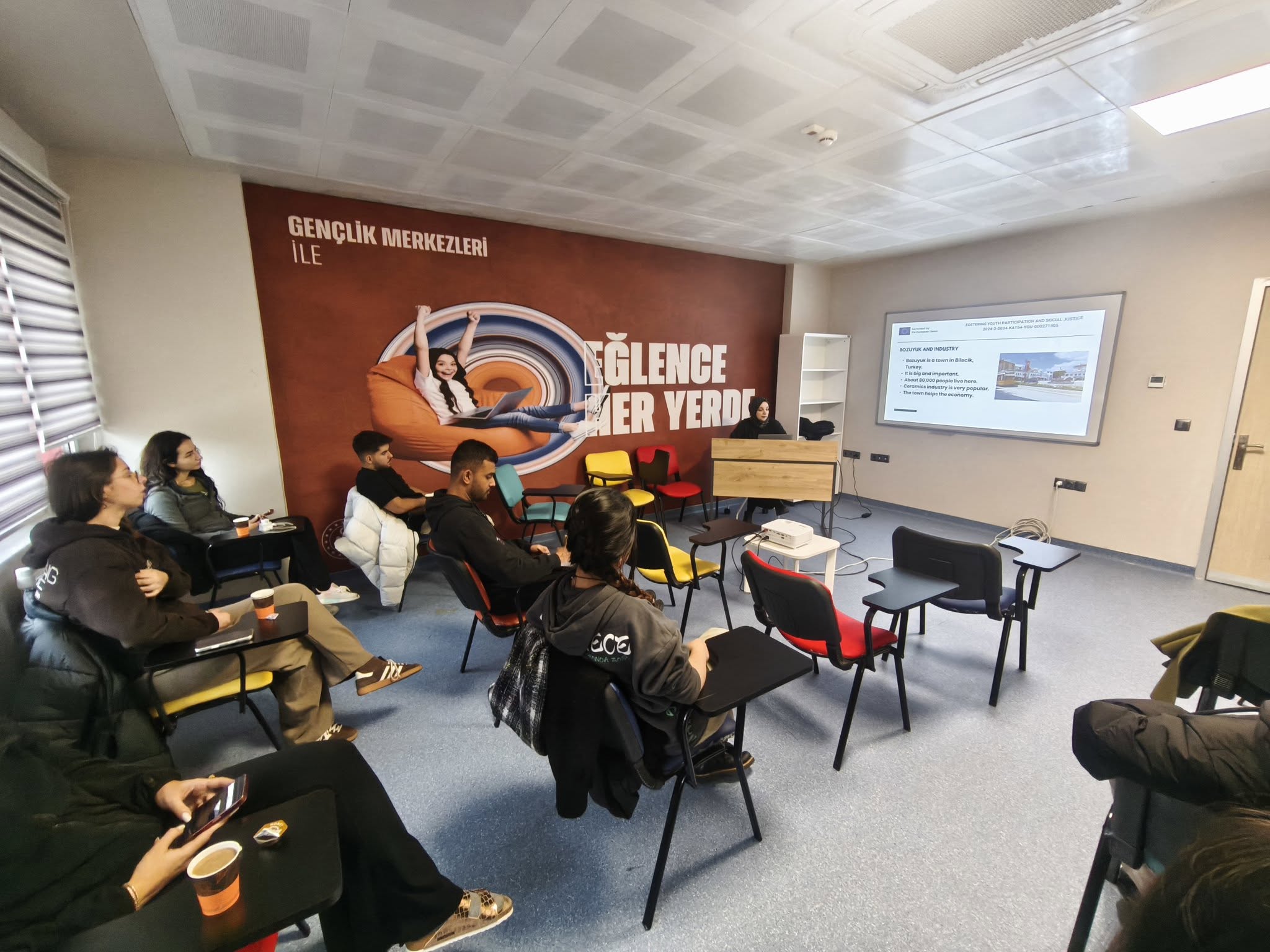
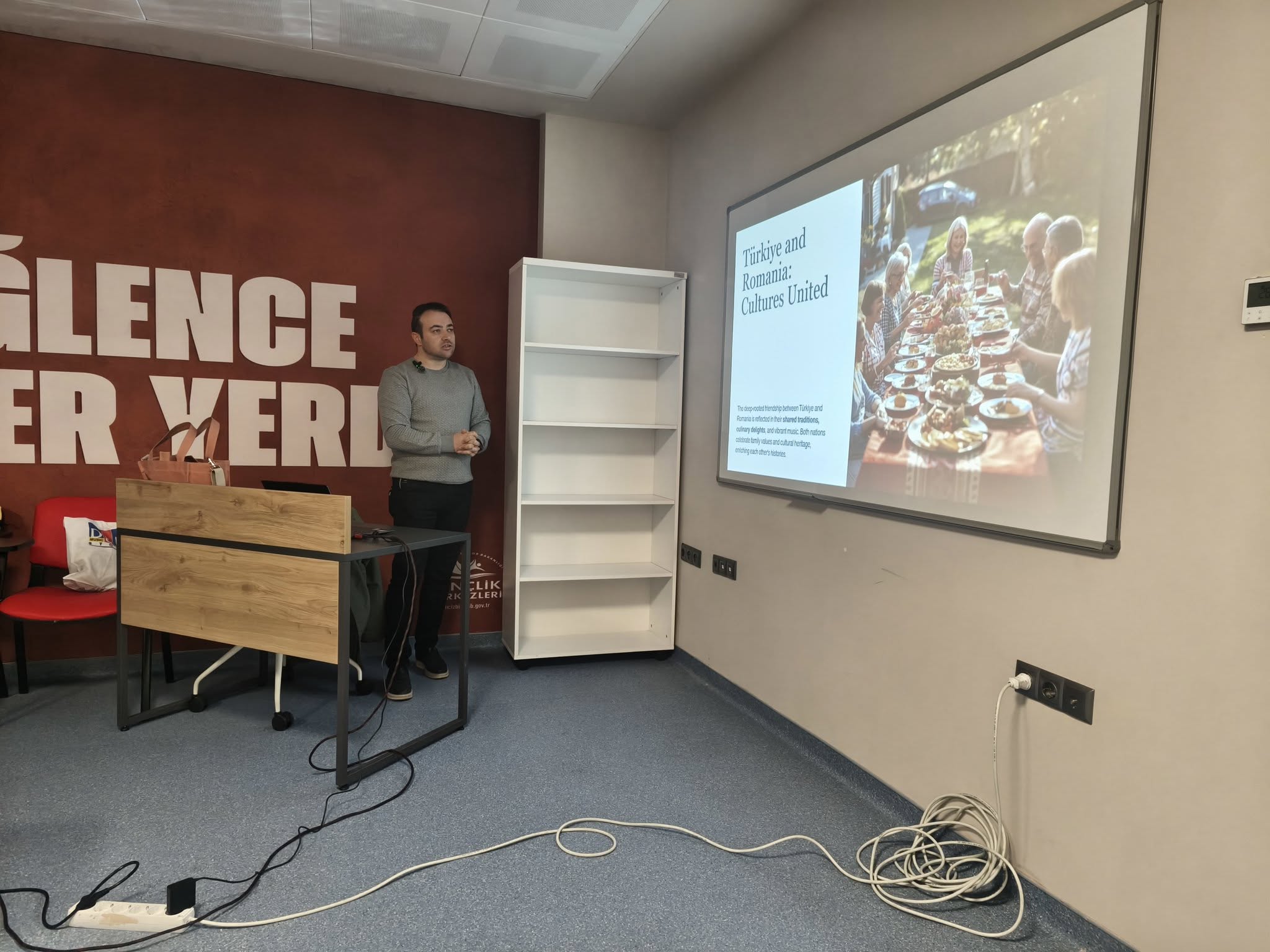
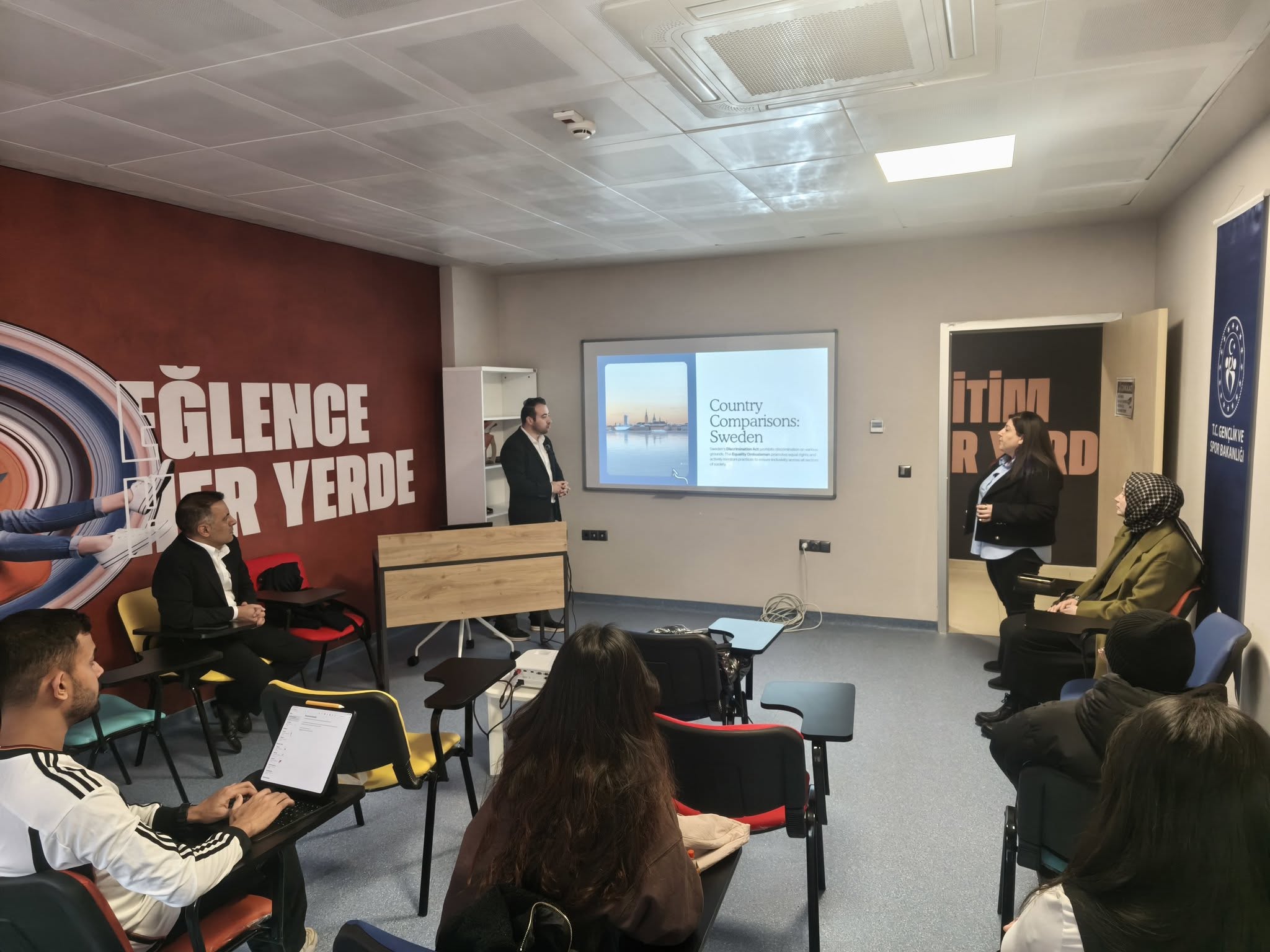
From 7 to 15 December 2025, young participants from Germany, Hungary, Türkiye, and Romania came together in Bilecik, Türkiye, for the Erasmus+ mobility “Social Inclusion and Equality.”
The activity was organised within the Erasmus+ project “Fostering Youth Participation and Social Justice – NextGenVoice”, project number 2024-3-DE04-KA154-YOU-000271505.
The mobility brought together young people and representatives of the four partner organisations:
- Phoenix Knowledge Wings gGmbH, Germany – project coordinator;
- Creative Youth Academy Hungary, Hungary;
- ERFEY Bilisim ve Danismanlik, Türkiye – host organisation;
- SKILLHUB INCLUSIVITY, Romania.
As the Romanian project partner, SKILLHUB INCLUSIVITY was pleased to participate in this international learning experience and contribute its knowledge in the fields of inclusion, disability awareness, equal opportunities, human rights, and youth participation.
Understanding inclusion as a practical responsibility
The main purpose of the mobility was to help participants better understand social inclusion, equality, discrimination, and the barriers experienced by marginalised groups.
Throughout the programme, inclusion was not treated only as an abstract value or a general statement of good intentions.
Participants examined how inclusion works in practice:
- Who is invited to participate?
- Who feels comfortable speaking?
- Whose pace determines the group’s work?
- Who is left outside decision-making?
- What physical, social, financial, cultural, or communication barriers prevent participation?
- How can youth activities be redesigned to offer meaningful access to everyone?
The programme encouraged participants to recognise that inclusive environments do not appear automatically. They must be intentionally planned, monitored, and improved.
Creating a safe and inclusive international group
The first part of the mobility focused on getting to know one another, building trust, and creating shared working principles.
Icebreakers, team-building exercises, paired activities, and small-group discussions allowed participants to enter the programme gradually.
This was especially important because the group included young people with different cultural backgrounds, language levels, educational experiences, personalities, and levels of confidence.
The facilitators encouraged participants to agree on principles such as:
- mutual respect;
- active listening;
- confidentiality;
- voluntary participation;
- respect for personal boundaries;
- non-discriminatory language;
- equal opportunities to contribute;
- freedom to ask questions and make mistakes.
These shared principles created a supportive environment for discussing sensitive topics related to marginalisation, prejudice, discrimination, power, and unequal access.
Exploring social inclusion and equality
Participants were introduced to the main concepts connected to social inclusion and equality.
They discussed the difference between equality and equity and examined why providing exactly the same support to everyone does not always produce fair results.
The young people explored how unequal opportunities may be connected to:
- disability;
- poverty or unemployment;
- migration background;
- ethnicity;
- gender;
- geographical isolation;
- educational disadvantage;
- limited digital access;
- language barriers;
- discrimination and stereotypes;
- lack of representation in decision-making.
The sessions helped participants understand that social exclusion is often created by systems and environments rather than by individual limitations.
Participants were therefore encouraged to ask not only, “What difficulty does this person have?” but also, “What barrier has the environment created, and how can it be removed?”
Learning through non-formal education
The mobility was based mainly on non-formal and informal learning methods.
Instead of relying only on presentations, participants learned through:
- role-play;
- simulations;
- forum theatre;
- movement-based exercises;
- small-group discussions;
- case studies;
- problem-solving tasks;
- community observation;
- teamwork;
- reflection sessions;
- peer learning;
- mentoring;
- project development.
These methods allowed participants to explore inclusion through experience.
They could observe how group roles, communication styles, decision-making processes, time pressure, and leadership approaches influence who participates and who remains at the edge.
Understanding power and participation
One of the important themes of the mobility was the relationship between power and participation.
Participants explored how power can appear in youth groups, organisations, educational environments, and community activities.
They reflected on questions such as:
- Who usually speaks first?
- Who receives the most attention?
- Who defines the agenda?
- Who performs invisible emotional or organisational work?
- Who is expected to adapt?
- Who has the confidence to disagree?
- Whose needs are considered normal?
Through practical exercises, participants experienced how pressure, authority, and group expectations can influence participation.
These activities helped them recognise that exclusion may continue even in projects that describe themselves as inclusive.
Exploring different forms of leadership
The programme also examined inclusive leadership.
Participants explored different leadership approaches connected to care, action, authority, vision, responsibility, and cooperation.
Through embodied and role-based exercises, they considered how each style can create opportunities but also possible barriers.
The activities challenged the idea that leadership belongs only to the loudest, most confident, or most experienced person.
Participants discovered that leadership can also mean:
- creating space for others;
- listening carefully;
- adapting the pace of an activity;
- noticing who has not spoken;
- sharing responsibility;
- supporting quieter participants;
- explaining information clearly;
- protecting fairness in decision-making;
- ensuring accessibility.
This broader understanding of leadership helped young people recognise their own potential to contribute to positive change.
Forum theatre: recognising exclusion in action
Forum theatre was one of the most meaningful methods used during the mobility.
Participants created and observed situations in which a youth campaign or community initiative appeared inclusive but still reproduced exclusion.
The scenes showed issues such as:
- token participation;
- inaccessible communication;
- decisions made by a small group;
- pressure to speak quickly;
- ignoring the needs of people with disabilities;
- using complicated language;
- inviting young people without giving them real influence;
- expecting marginalised participants to represent an entire community.
After watching each scene, participants could stop the action, enter a role, and test a different response.
This allowed the group to move beyond simply identifying a problem.
Participants practised concrete interventions and discussed whether their solutions changed only the tone of the situation or actually changed the structure, power balance, and decision-making process.
Learning from community practice
The mobility also connected workshop learning with real community experience.
Through field exposure and interaction with people involved in inclusion-related work, participants gained a better understanding of how organisations and practitioners respond to social exclusion.
This helped the group connect theoretical discussions with practical realities.
Participants learned that inclusion work requires:
- trust;
- long-term commitment;
- appropriate support;
- cooperation with local stakeholders;
- accessible communication;
- realistic planning;
- respect for lived experience;
- continuous evaluation.
The field-based learning also encouraged participants to avoid assuming that one solution works for every community or target group.
Designing inclusive youth programmes
A significant part of the mobility was dedicated to programme design.
Working in international teams, participants developed ideas for activities and initiatives addressing barriers faced by marginalised young people.
Each group was encouraged to define:
- the problem it wanted to address;
- the young people affected by the problem;
- the first barrier that needed to be removed;
- the objectives of the initiative;
- the proposed activities;
- the necessary accessibility measures;
- the stakeholders who should be involved;
- the resources required;
- the expected results;
- possible risks and solutions.
This approach helped participants move from general statements about inclusion to concrete plans.
They learned that an inclusive project must consider not only the topic but also the way the project is organised.
Accessibility as part of programme quality
Participants explored accessibility as a key dimension of quality youth work.
They discussed how participation may be affected by:
- inaccessible venues;
- lack of adapted materials;
- complicated instructions;
- unsuitable schedules;
- sensory overload;
- limited financial support;
- inaccessible digital platforms;
- lack of transport;
- communication barriers;
- negative attitudes or stereotypes.
The groups were encouraged to think about accessibility from the beginning of an activity rather than adding it later as a correction.
For SKILLHUB INCLUSIVITY, this was an especially important part of the mobility because our organisation works directly with young people with disabilities, special needs, and fewer opportunities.
The programme reinforced the message that accessibility is not an optional extra. It is a fundamental condition for meaningful participation.
Leadership for social change
The mobility linked leadership with community engagement rather than personal status or charisma.
Participants examined how leaders can support belonging, distribute responsibility, and create sustainable opportunities for participation.
They learned that leadership for social change requires:
- empathy;
- ethical responsibility;
- communication;
- patience;
- cooperation;
- accountability;
- awareness of power;
- willingness to adapt;
- respect for different experiences.
Young people were encouraged to understand leadership as a shared process in which people work together to identify needs and create solutions.
Mentoring and constructive feedback
Throughout the programme, mentors supported participants in developing and improving their project ideas.
Mentors asked teams to clarify:
- who the initiative was designed for;
- what specific barrier it addressed;
- whether the proposed activity was realistic;
- how participants would be recruited;
- how accessibility would be ensured;
- how success would be measured;
- what challenges might appear;
- how the initiative could continue after the mobility.
This constructive feedback helped teams make their ideas more focused and achievable.
Mentoring also showed participants that project development is an ongoing process of testing, reflection, adjustment, and improvement.
Fair and participatory decision-making
The workshop explored different methods of group decision-making.
Participants reflected on the limitations of making every decision through a rapid majority vote.
They discussed how speed, confidence, language ability, or social influence may give some participants greater power than others.
The group tested more consent-based and participatory approaches in which concerns could be expressed and proposals could be adjusted before a decision was finalised.
These activities helped participants experience the difference between simply reaching a fast decision and achieving a decision that is fair, understood, and accepted by the group.
Intercultural learning
The mobility brought together participants from four countries and created valuable opportunities for intercultural exchange.
Young people shared information about their communities, traditions, challenges, and experiences of inclusion.
They compared how different countries respond to issues such as disability, migration, discrimination, youth unemployment, rural isolation, and unequal educational access.
Through formal and informal activities, participants developed:
- intercultural communication;
- openness to different perspectives;
- respect for diversity;
- confidence in an international environment;
- stronger European awareness;
- friendships and professional connections.
The multicultural group demonstrated that inclusion must also take cultural expectations and communication differences into account.
Daily reflection and adaptation
Reflection was integrated throughout the mobility.
Participants were regularly invited to assess:
- what they had learned;
- what had challenged them;
- whether they felt included;
- which activities supported their participation;
- what should be adapted;
- how the learning connected to their communities.
The facilitators used this feedback to adjust the programme’s pace, group structure, instructions, and discussion methods.
This responsive approach showed participants that their opinions had a real influence on the learning environment.
It also prevented the intensive discussions from becoming exhausting or overly theoretical.
Developing community engagement plans
Toward the end of the mobility, participants transformed their learning into community engagement plans.
The teams designed possible follow-up initiatives such as:
- inclusion-awareness campaigns;
- peer-education workshops;
- accessible youth events;
- dialogue sessions with local institutions;
- activities involving young people with disabilities;
- community volunteering;
- intercultural events;
- campaigns against stereotypes and discrimination;
- youth consultations;
- inclusive leadership workshops.
Participants considered how these ideas could be adapted to the realities of their own communities.
The emphasis was placed on realistic first steps rather than overly ambitious promises.
Reflection, evaluation, and certification
The final stage of the mobility was dedicated to reflection and evaluation.
Participants discussed the progress they had made and the competencies they had developed.
They reflected on changes in their understanding of inclusion, equality, leadership, accessibility, and community engagement.
The evaluation process also allowed them to provide feedback on the programme, facilitation methods, group experience, and practical arrangements.
At the closing ceremony, participants received certificates recognising their involvement and learning achievements.
The event celebrated not only the completion of the programme but also the relationships, confidence, and commitment developed during the mobility.
Benefits for the Romanian participants
For the Romanian participants representing SKILLHUB INCLUSIVITY, the mobility offered a valuable opportunity to strengthen both personal and professional competencies.
They improved their knowledge of:
- social inclusion;
- equality and equity;
- discrimination;
- accessibility;
- inclusive leadership;
- community engagement;
- youth participation;
- programme design.
They also developed skills in teamwork, communication, facilitation, intercultural cooperation, problem-solving, reflection, and public presentation.
The Romanian participants contributed examples from their experience of working with young people with disabilities and other groups facing barriers to participation.
They also brought home new ideas and non-formal learning methods that can be adapted to local youth work and community activities.
From mobility to local action
The learning process did not end when participants left Türkiye.
After the mobility, young people were encouraged to share their experiences with peers, volunteers, schools, organisations, and local communities.
Follow-up activities may include:
- local presentations;
- workshops on inclusion and equality;
- peer-learning sessions;
- awareness campaigns;
- inclusive community activities;
- consultations with young people;
- online dissemination;
- development of local social inclusion projects.
These actions will help extend the impact of the mobility beyond the participants who attended the international activity.
A meaningful contribution to the NextGenVoice project
The Türkiye mobility represented an important stage in the implementation of the NextGenVoice project.
It helped participants understand that social inclusion must be reflected in the design, communication, leadership, accessibility, and decision-making processes of every youth activity.
The workshop showed that inclusion becomes meaningful when people can participate, influence decisions, receive appropriate support, and feel that their contributions are valued.
It also strengthened the project’s broader objectives of promoting youth participation, equality, human rights, democratic engagement, and social justice.
SKILLHUB INCLUSIVITY thanks ERFEY Bilisim ve Danismanlik for hosting and organising the activity in Bilecik, as well as Phoenix Knowledge Wings gGmbH, Creative Youth Academy Hungary, the facilitators, mentors, volunteers, and all participants who contributed to the success of the programme.
The energy, openness, and commitment of the participants demonstrated that young people can play an active role in creating communities where diversity is respected and everyone has a genuine opportunity to belong.
Project title: Fostering Youth Participation and Social Justice – NextGenVoice
Activity: Workshop 3 – Social Inclusion and Equality
Project number: 2024-3-DE04-KA154-YOU-000271505
Mobility period: 7–15 December 2025
Location: Bilecik, Türkiye
Host organisation: ERFEY Bilisim ve Danismanlik
Project coordinator: Phoenix Knowledge Wings gGmbH
Romanian partner: SKILLHUB INCLUSIVITY
Participating countries: Germany, Hungary, Türkiye, and Romania
Funded by the European Union. The views and opinions expressed are, however, those of the authors only and do not necessarily reflect those of the European Union or the granting authority. Neither the European Union nor the granting authority can be held responsible for them.